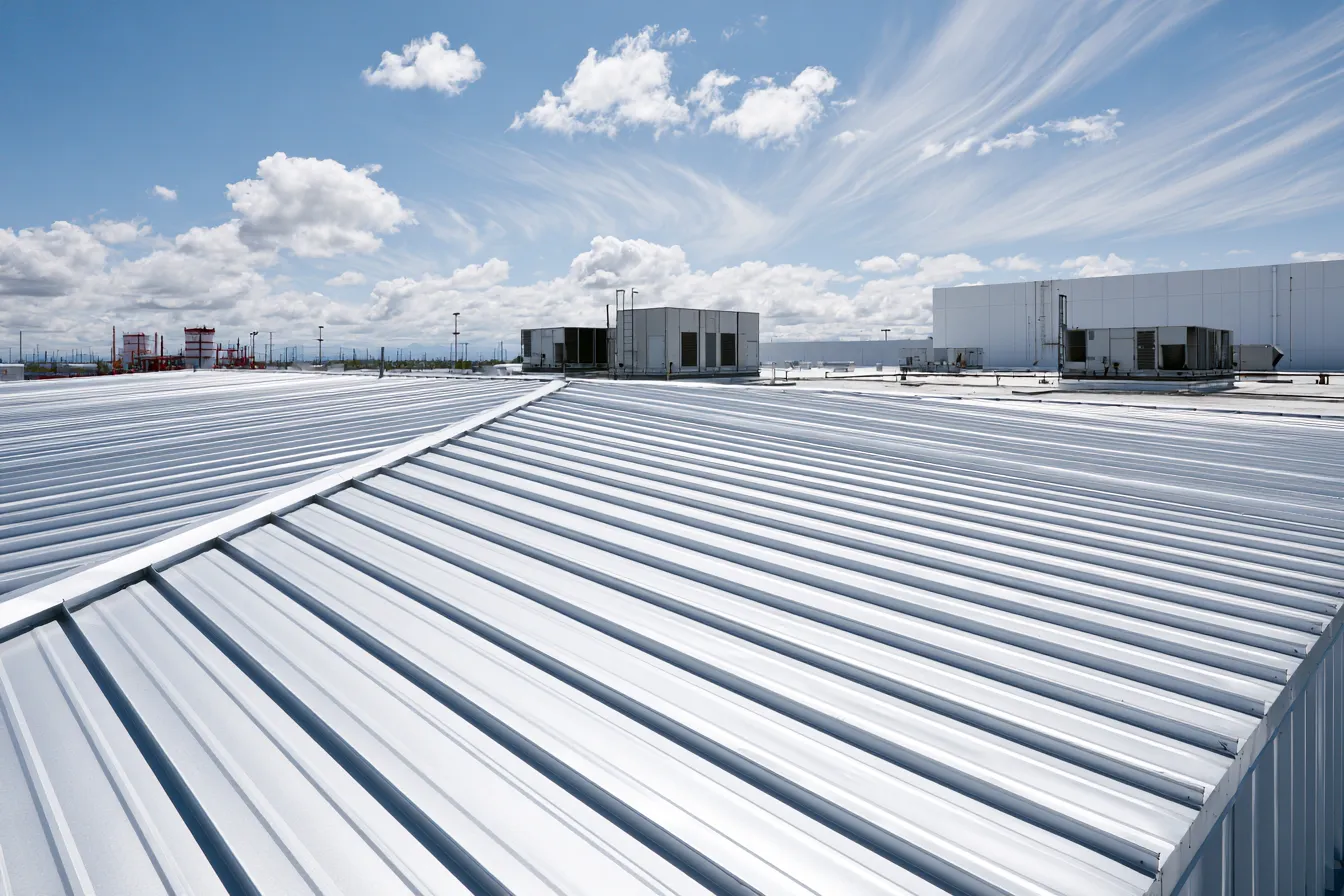
Metal Roofing in Muskogee, OK
Metal roofing in Muskogee, OK costs more up front and lasts long enough to change the math entirely.
Weigh metal against another round of shingle on a house this age, and the trade-offs aren't the obvious ones.
Metal roofing in Muskogee, OK
A metal roof is a different assembly from a shingle roof, not the same roof in a different material.
A lot of the houses around here are far enough into their second or third covering to be facing a real material decision instead of a like-for-like replacement.
That sounds like an argument for metal, and for plenty of those houses it isn't. A covering you will own for eight more years doesn't repay a premium built to be recovered across decades, and the sums only favor metal when the years are genuinely there to be had.
Panel type, decided first
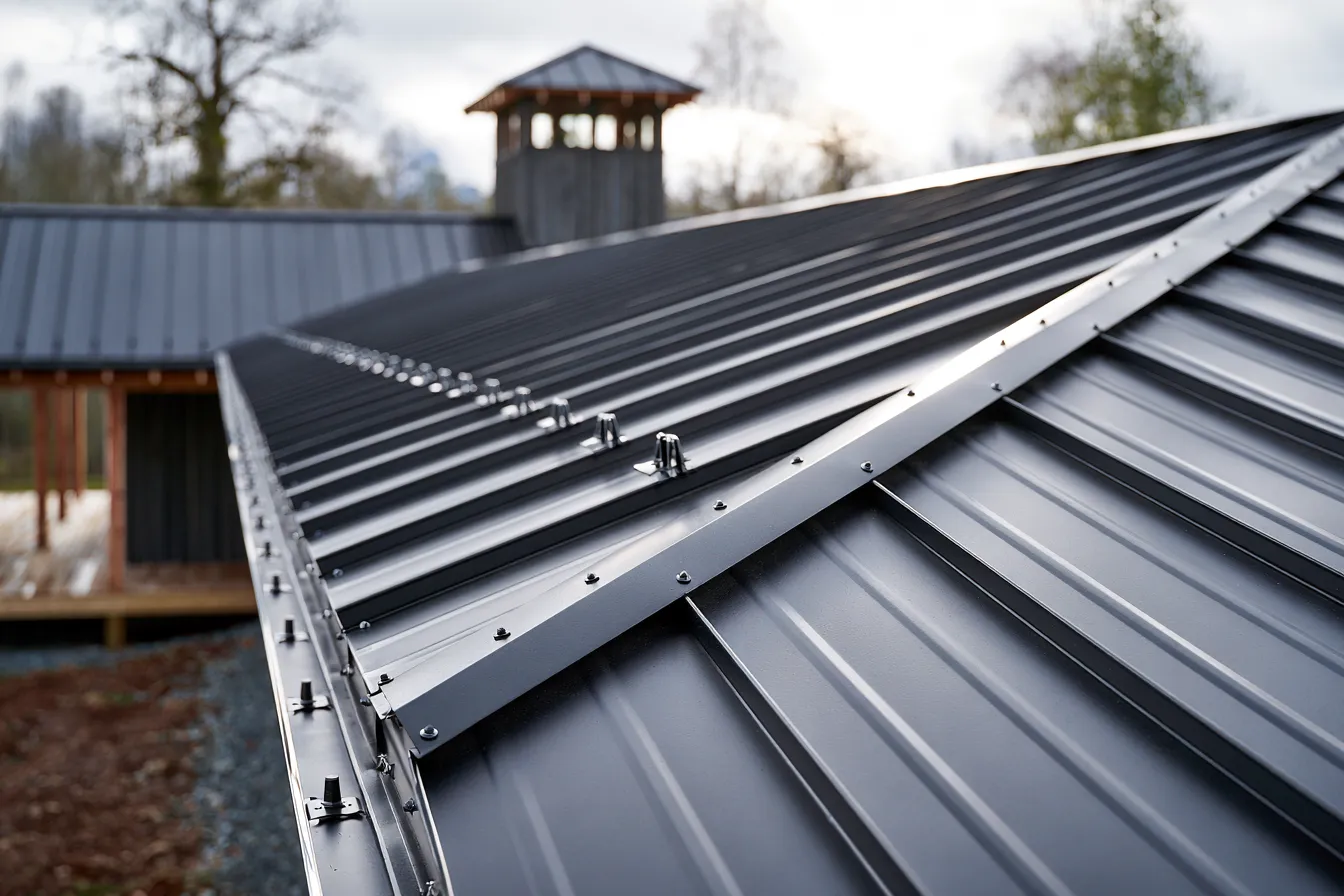
Standing seam hides its fasteners under raised interlocking seams; exposed-fastener panels screw through the face and cost less. The two age very differently, and the choice drives everything downstream.
Clips and thermal movement
Standing seam panels are held by concealed clips that let the metal expand and contract with temperature. Fastening metal rigidly is how a roof works its own screw holes open over a few Oklahoma summers.
Underlayment underneath
A high-temperature synthetic or self-adhering membrane goes down before any panel does. Metal runs hot and sheds condensation, so the layer under it does more work here than under asphalt.
Deck condition confirmed
The sheathing is checked and repaired before panels go on, because a metal roof isn't coming back off cheaply. Anything soft is dealt with while access is easy.
Flashing and trim detailing
Ridge, eave, valley, sidewall and every penetration get trim made for the purpose. This is where a cheap metal install shows itself within a couple of years.
The itemized estimate
Panel type, gauge, underlayment, trim and tear-off each appear as their own line with a price attached. The workmanship term on that sheet is set and signed by the roofer who installs the panels.
When metal is worth the jump
Six conditions that move the math. Three of them argue for metal and three argue against it, because both answers are common.
You are keeping the house
Metal repays itself across decades of ownership. If you expect to be here for the long run, the premium has time to work.
The roof is simple
Long uninterrupted runs suit panels. Fewer valleys and penetrations mean less trim, less labor and a lower premium over shingle.
The last covering failed early
A shingle roof that gave up ahead of schedule says something about the exposure. Metal answers heat and wind better than another identical covering would.
You are selling in a few years
The buyer inherits the benefit and the market rarely returns the premium. Shingle is usually the better commercial answer here.
The roof is cut up
Dormers, valleys and multiple planes mean trim everywhere. Complexity drives the metal premium up faster than it drives the shingle price up.
A covenant restricts the material
Some neighborhoods limit roofing materials or finishes. Check before pricing anything, because that answer settles the question outright.
Panels, clips and what sits beneath
The panels are what you see; the layers under them are what decides how long you see them. Here's the order the work runs in.
Everything comes off
The old covering is removed to the deck, because metal is rarely worth laying over anything. What's underneath gets inspected properly while it's open.
Underlayment goes down
A high-temperature membrane covers the deck ahead of any panel. This layer handles the heat and the condensation that metal brings with it.
Panels and clips
Panels are set and secured with clips that allow the metal to move as it heats and cools. The seams are then closed along their length.
Details and terminations
Ridge, valley, eave and every penetration are finished with matched trim. This stage takes longer than people expect and it's the stage that decides whether the roof holds.
The long math against shingle
Both totals work off the same 24 squares of finished roof - a planning size the regional table carries, held identical on purpose so the comparison between the two materials is the part that holds.
Standing seam metal is planned at $18,000 to $31,920 against $8,880 to $14,880 for architectural shingle, both figured on 24 squares - so on the same roof, metal runs roughly double to triple the shingle figure. Per square that's $750 to $1,330 installed against $370 to $620, both drawn from northeastern Oklahoma labor costs.
$750 to $1,330 per square · What this page won't tell you is the year the premium pays back, because that turns on how long you keep the house, and that's the one figure in the sum you own and nobody else does. The 24-square size behind both totals is a planning assumption, so the spread between the two materials holds up better than either bracket on its own. What you can have at no charge is both materials itemized against your own roof, measured, so the comparison belongs to you.
Regional planning ranges. The spread between the two materials matters more here than either number.
Metal questions on Muskogee homes
The ones that come up once metal is genuinely on the table. Brief answers, with the comparison pages holding the detail.
Run both numbers for Muskogee
Say what you are weighing and a local roofer measures the planes and prices metal and asphalt side by side on the same sheet. What you do with the comparison is entirely yours, and the sheet doesn't expire.