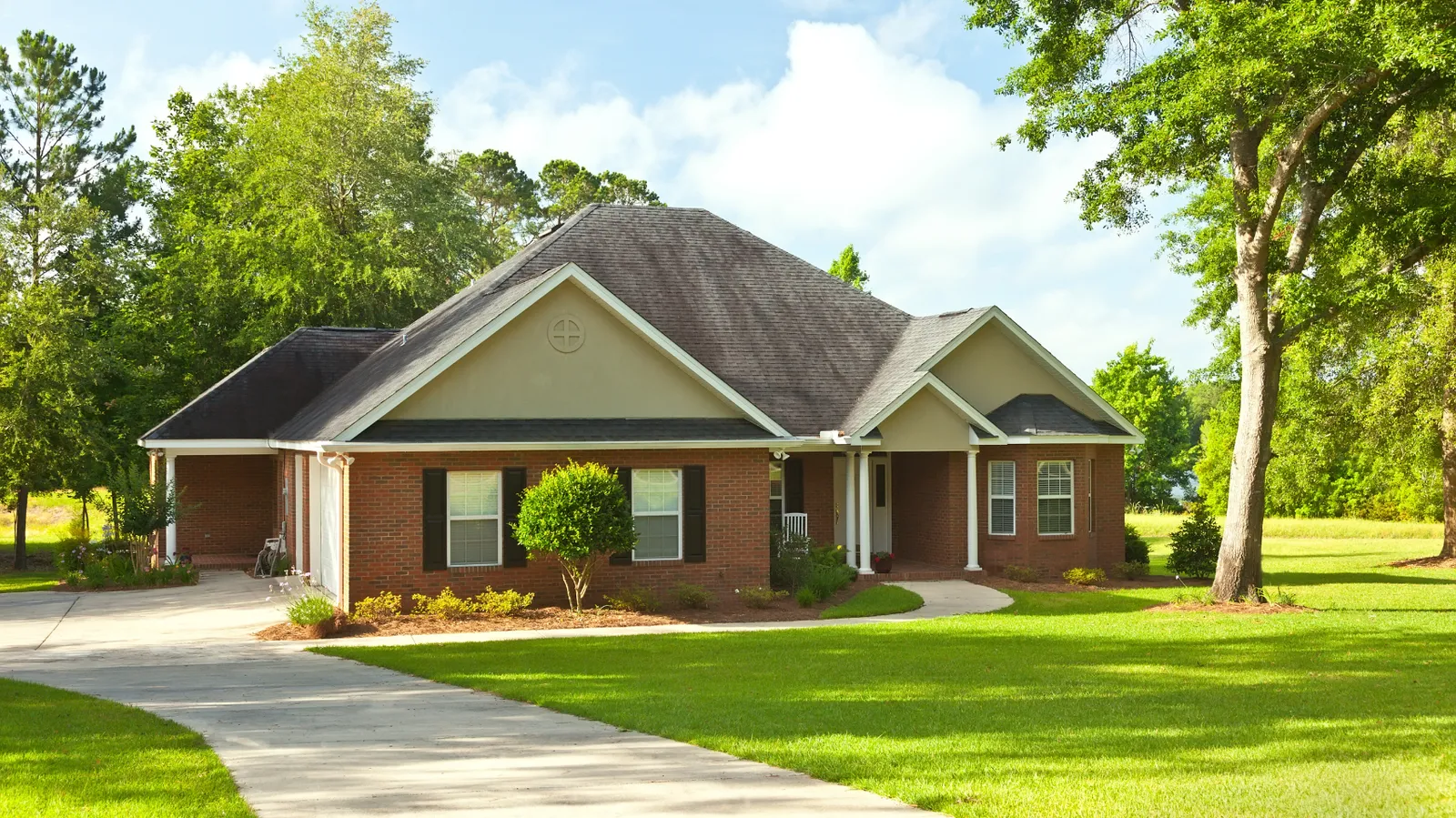
Roofing in Kendall Place, Muskogee
Roofing in Kendall Place, Muskogee, where plenty of roofs are carrying more than one layer.
Send what has been done to the roof before, and our roofers read what's up there.
What a roof that has been covered twice is hiding
On these blocks the roof you're looking at is usually not the first one the house has worn, and that single fact decides most of what a repair or a replacement will cost.
Give it two more seasons and the second layer starts telling on itself. Trapped heat ages the covering above it faster, fasteners have less sound wood to bite into, and a leak that starts at a seam travels sideways under the top layer before it shows on a ceiling. By the time it shows, the wet area's wider than the stain suggests.
Kendall Place runs roughly between West Okmulgee, South 11th and Elgin, southwest of the downtown blocks, and it's been on record with the National Register since December 2005; the City of Muskogee's own historic districts map carries the same boundary. The listing is a record of what's here. What matters on a roof is how many times it has been covered, and only the tear-off answers that.
Kendall Place Historic District roofing by the numbers
This is how the housing around this part of Muskogee reads, and it is the backdrop to any roof looked at in Kendall Place Historic District.
Those numbers describe ZIP 74401 as a whole, not this district on its own. Read them as a tension, not a portrait: a middling typical build year sitting over a large share of much older houses is what a neighborhood looks like when houses were re-covered rather than replaced.
Source: U.S. Census Bureau, American Community Survey. Figures are tract or city level, so nearby neighborhoods can share them.
What our roofers take on southwest of downtown
Leaks that wander, decking that has been asked to hold too many nails, and roofs that have simply run out of layers. Describe what yours is doing and a roofer will name it.
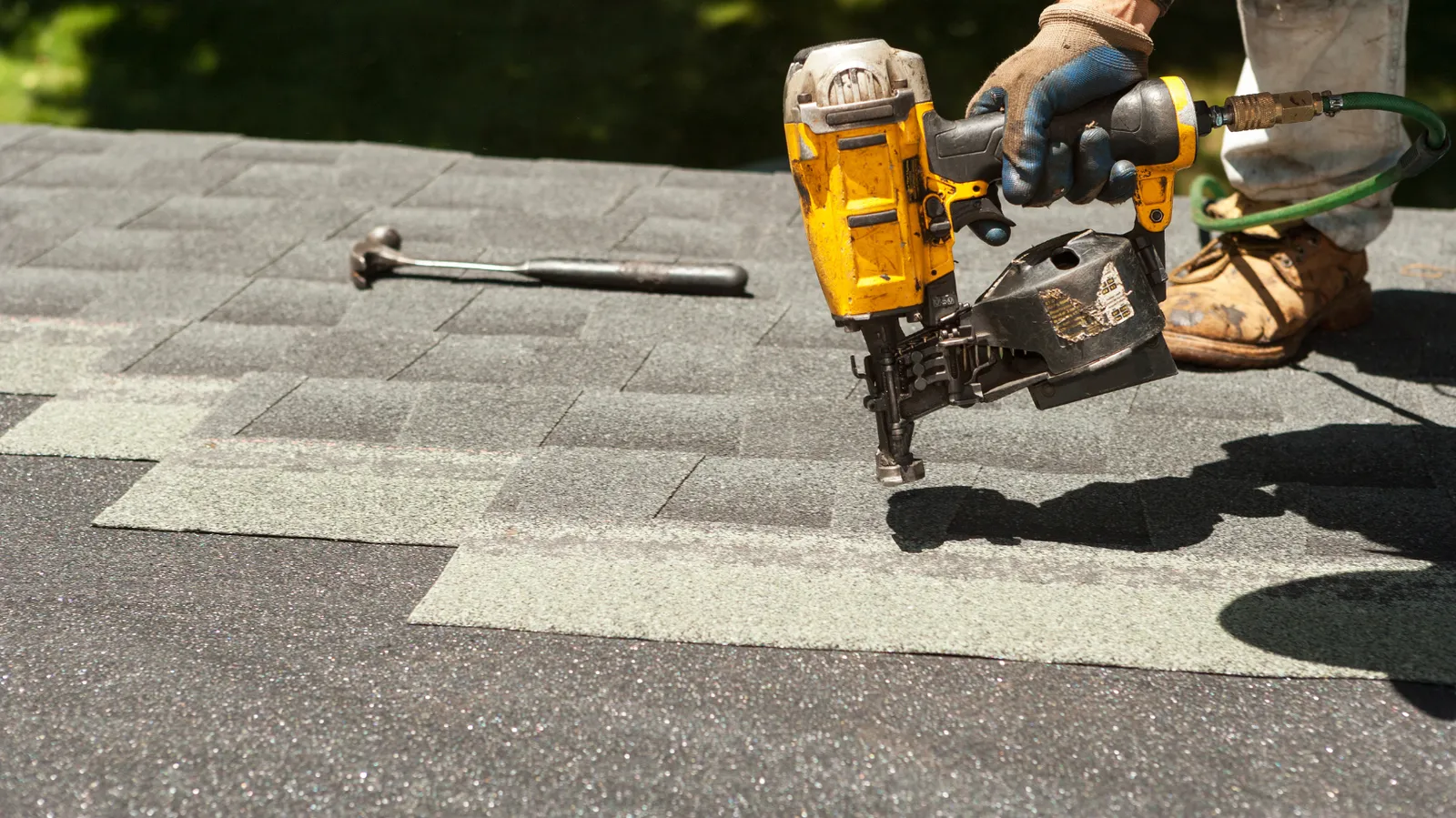
Roof Replacement
The whole covering off and rebuilt from the deck up, which on a roof that's been done before is where the unknowns are.
Learn more →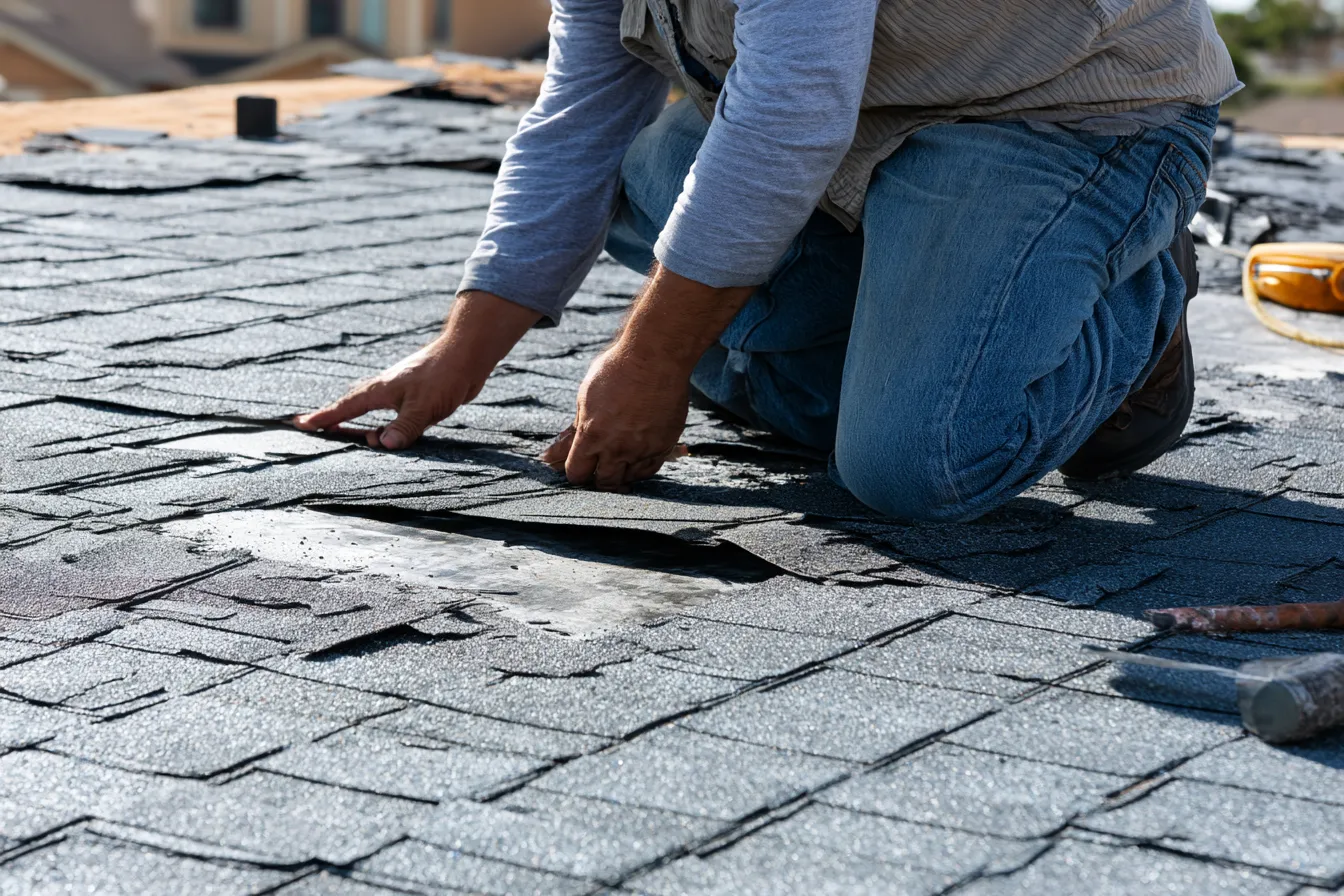
Roof Repair
One leak traced back to where the water really enters, which isn't where the stain on the ceiling puts it.
Learn more →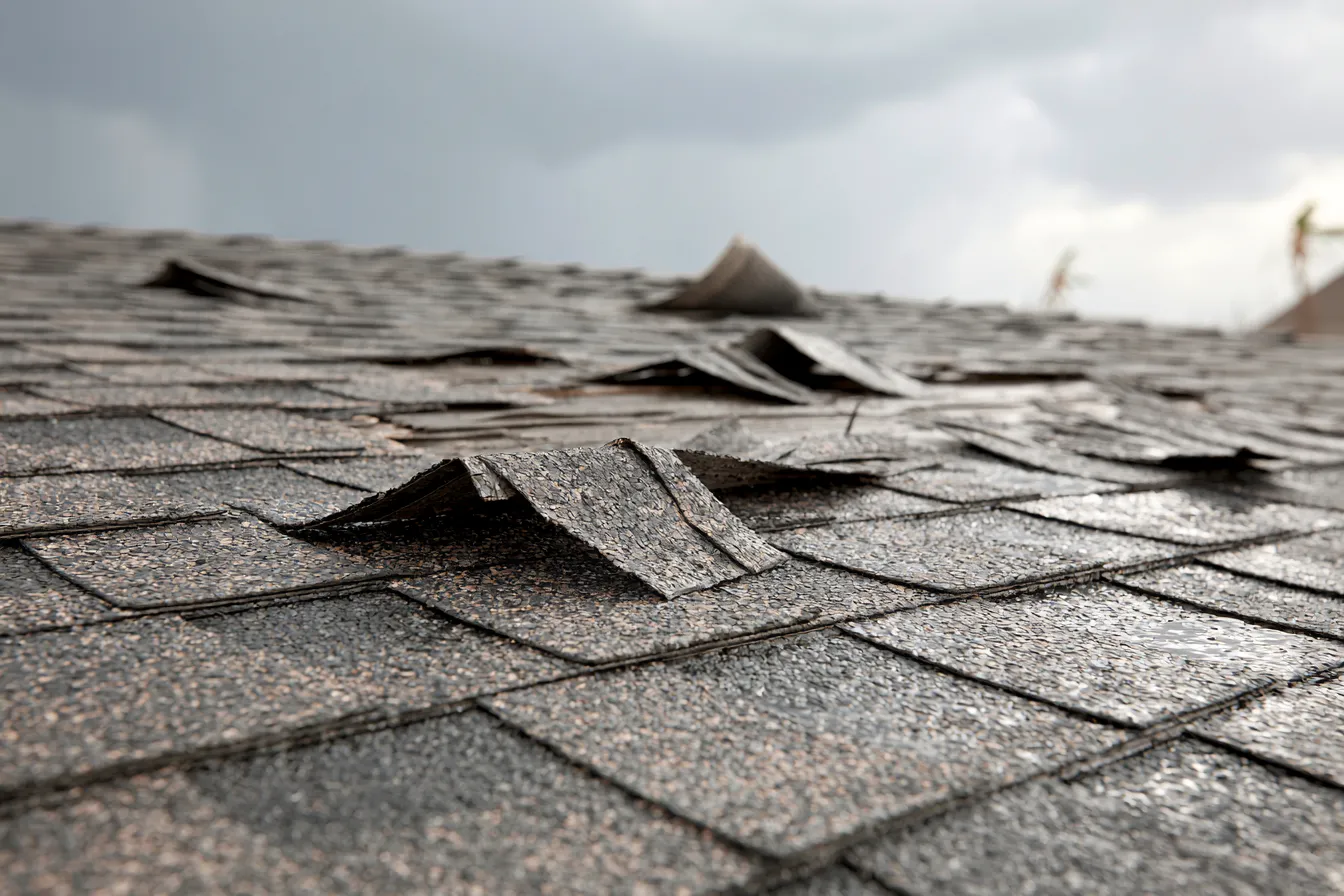
Storm and Hail Damage
Hail and wind marks photographed and called functional or cosmetic before anyone talks about a claim.
Learn more →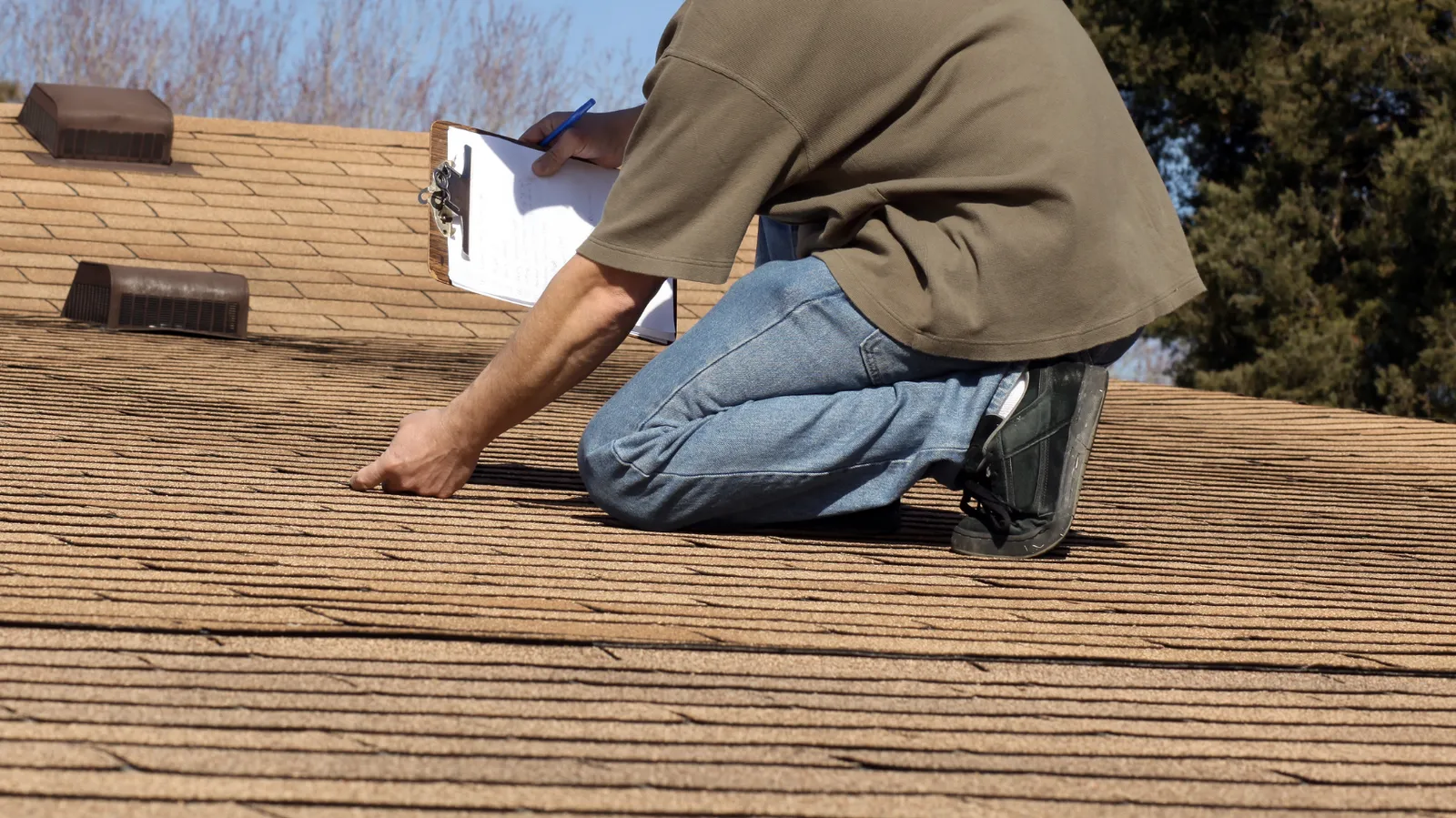
Roof Inspections
A walk of the slopes and a look from the attic, written down and dated so it's still worth something later.
Learn more →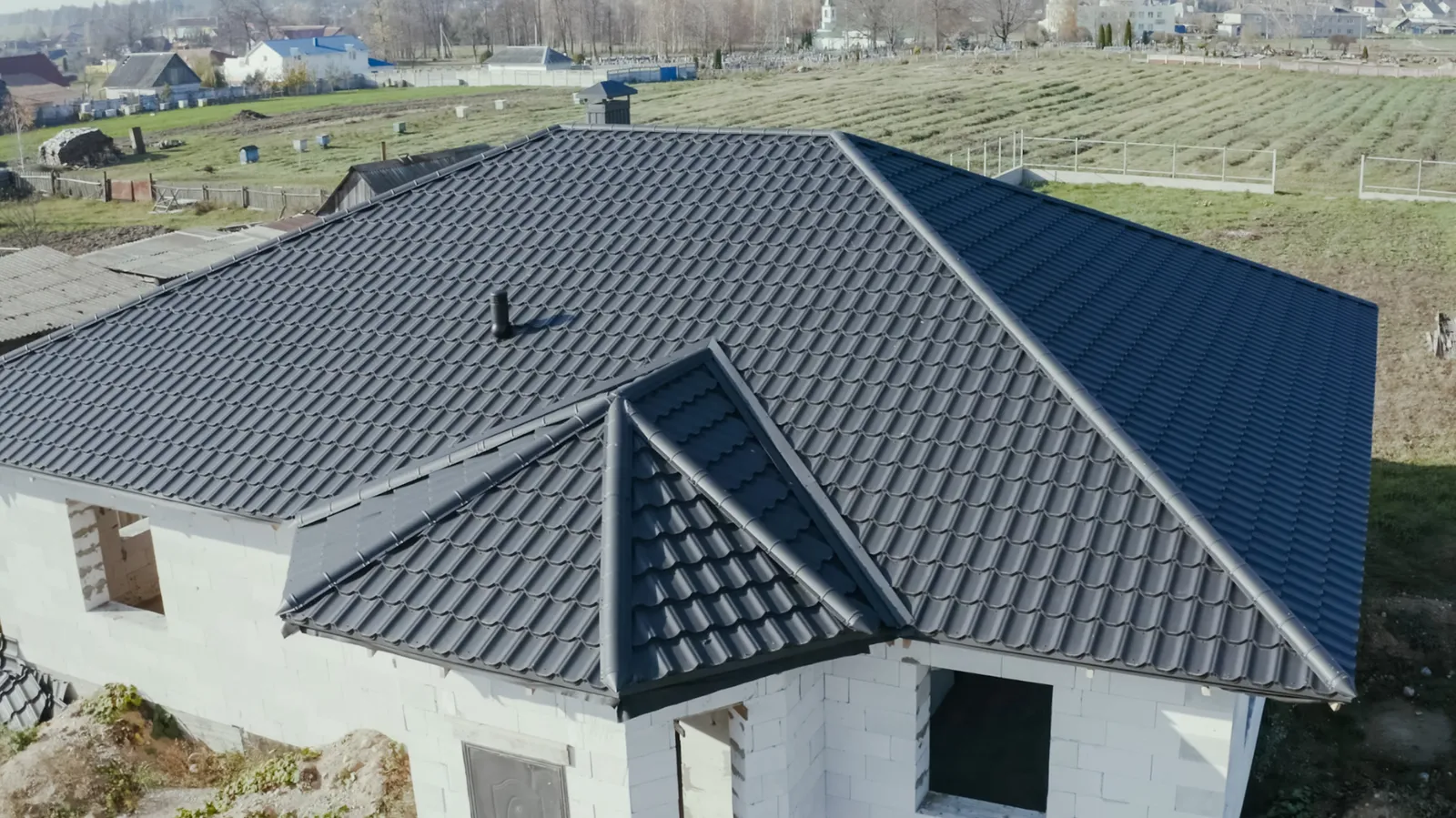
Metal Roofing
Standing seam with its fasteners hidden under the panel, priced against asphalt across the service life each one actually delivers.
Learn more →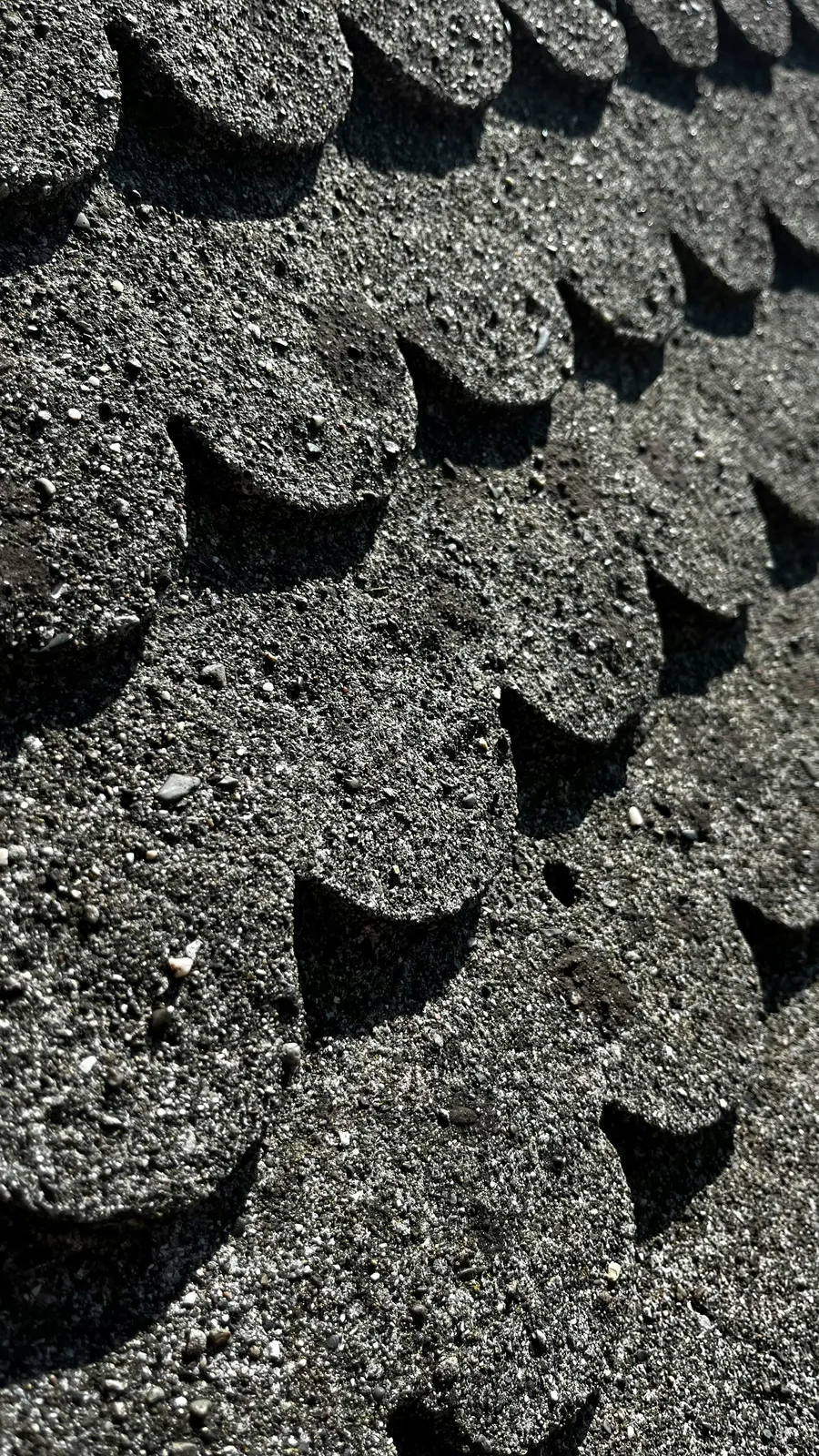
Asphalt Shingle Roofing
The covering most houses here already wear, in three tiers that aren't the same on wind rating or service life.
Learn more →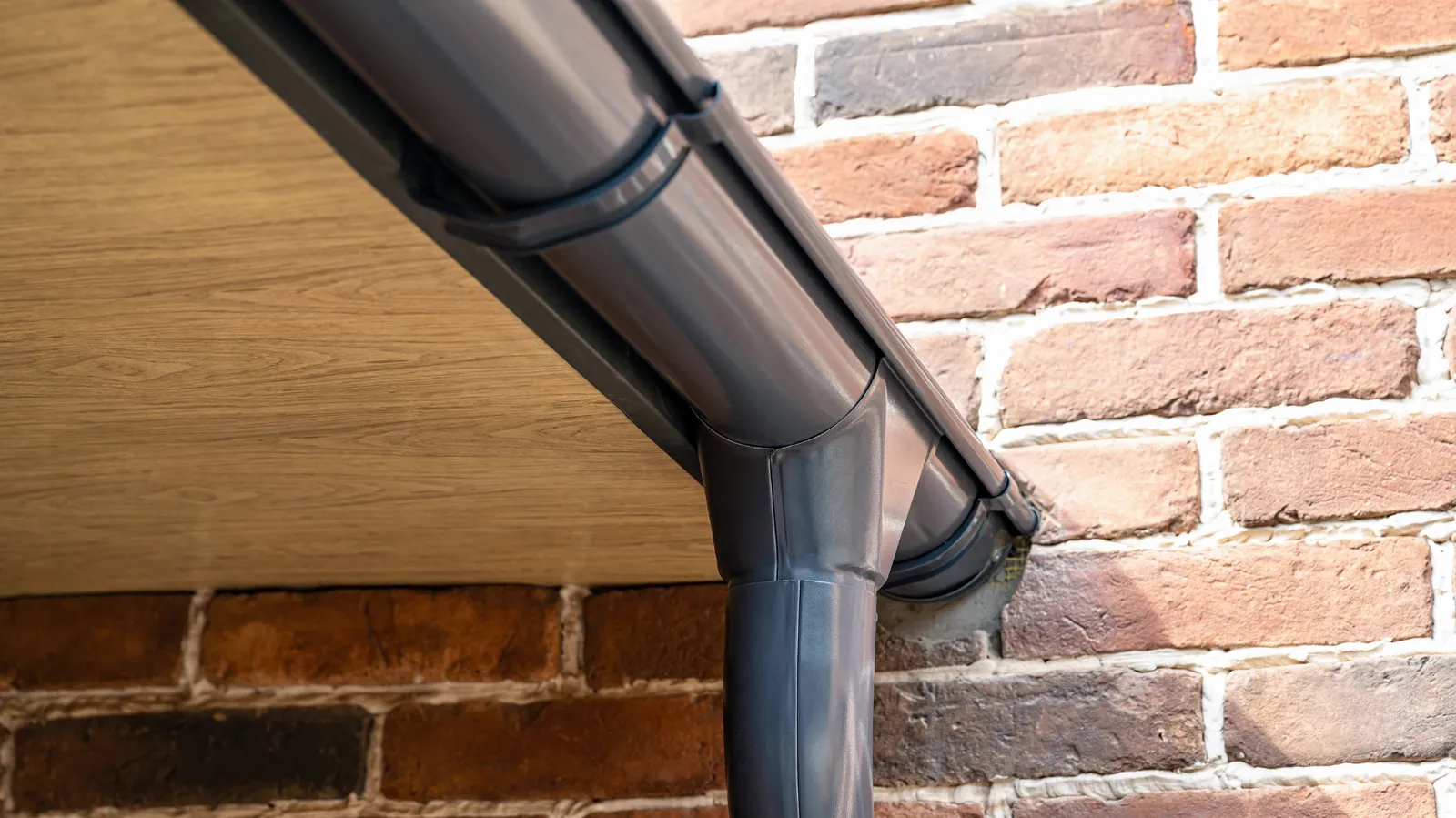
Gutters
Seamless aluminum sized to the roof above it, because water that leaves the shingles hasn't finished until it's clear of the walls.
Learn more →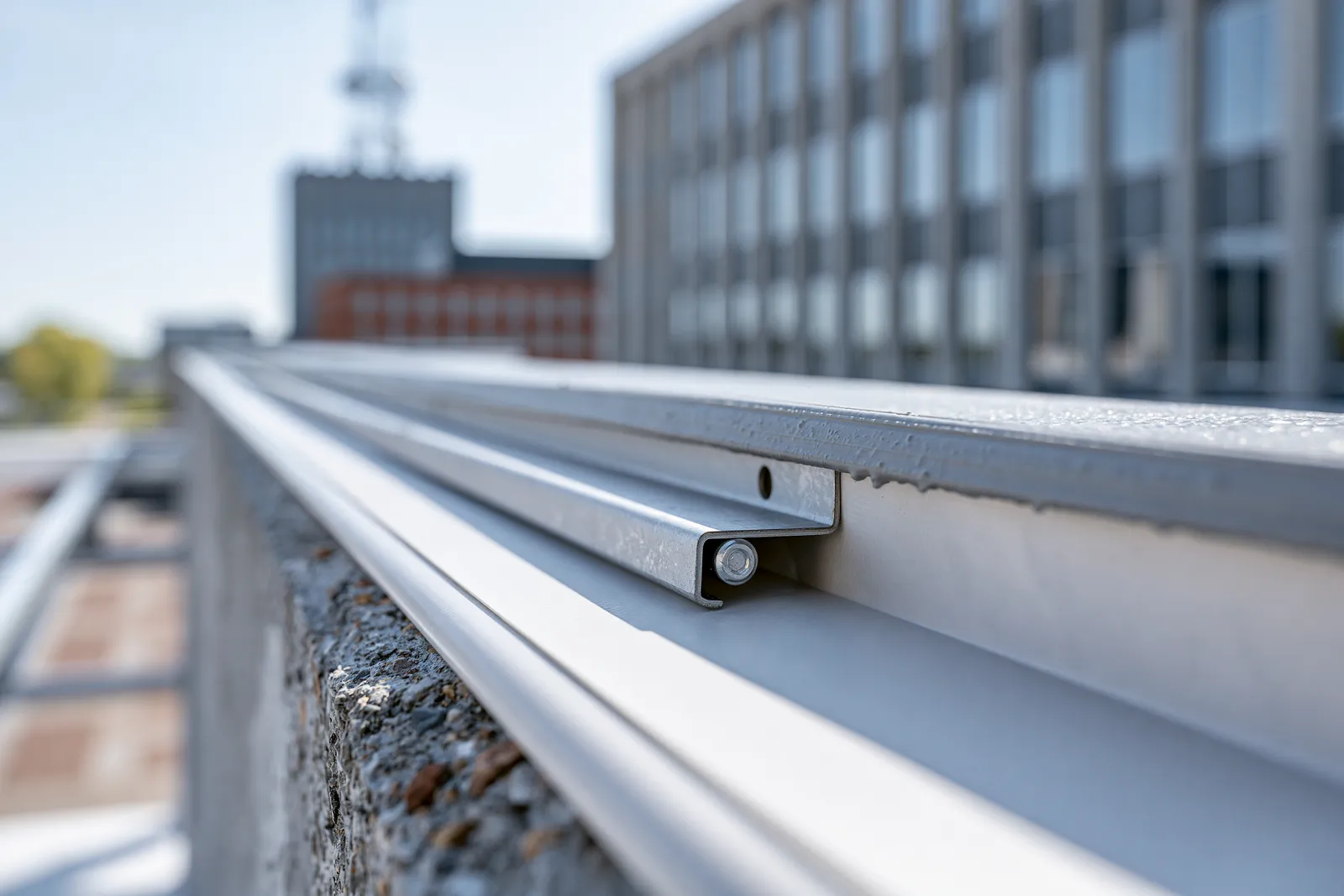
Flat Roof Repair
Low-slope work, where a leak usually traces back to a seam or a flashing detail.
Learn more →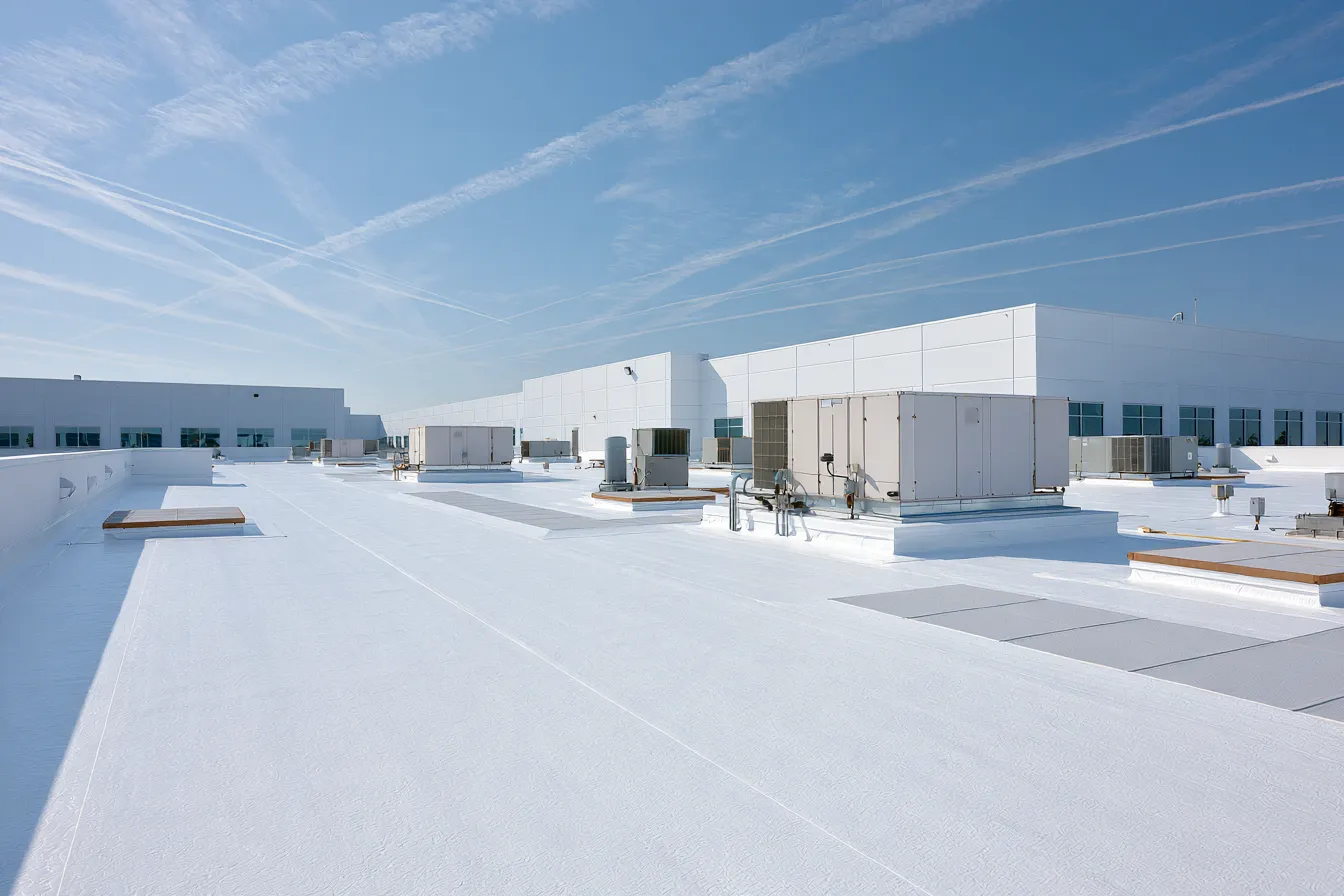
Commercial Roofing
Membrane roofs on buildings, priced by the area covered and by how many interruptions the surface carries.
Learn more →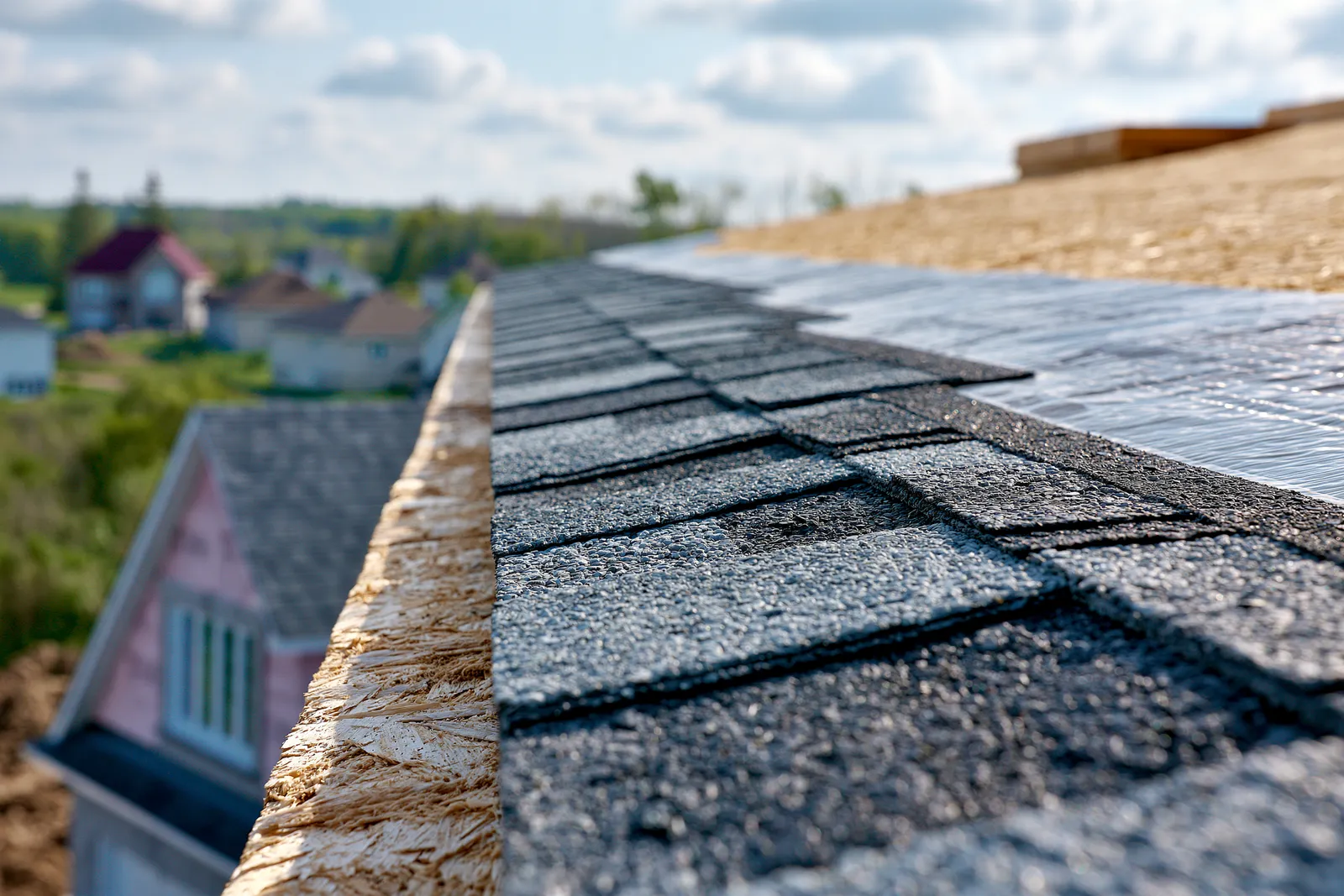
Why the tear-off is where the surprises live
Everything a second layer hid comes into view in about twenty minutes, and the difference between a fair job and a bad one is whether that moment was planned for.
A per-sheet rate, agreed beforehand
Bad decking is priced as its own line before the tear-off starts, so the number moves in a way you can check.
An allowance with a figure on it
A stated number of sheets covered inside the quote, in place of an open-ended promise to sort it out later.
Photographs of the opened roof
Dated pictures of what was under the old covering, handed over whether or not the finding changes the price.
Questions from Kendall Place
The ones that come up once somebody mentions a second layer. Each answer starts with the short version.
Tell us what the roof has been through
An address and whatever you know about the last roof job is a good start, even if that's only a rough year. The roofer who comes out works out how many layers are up there, and puts the findings in front of you.