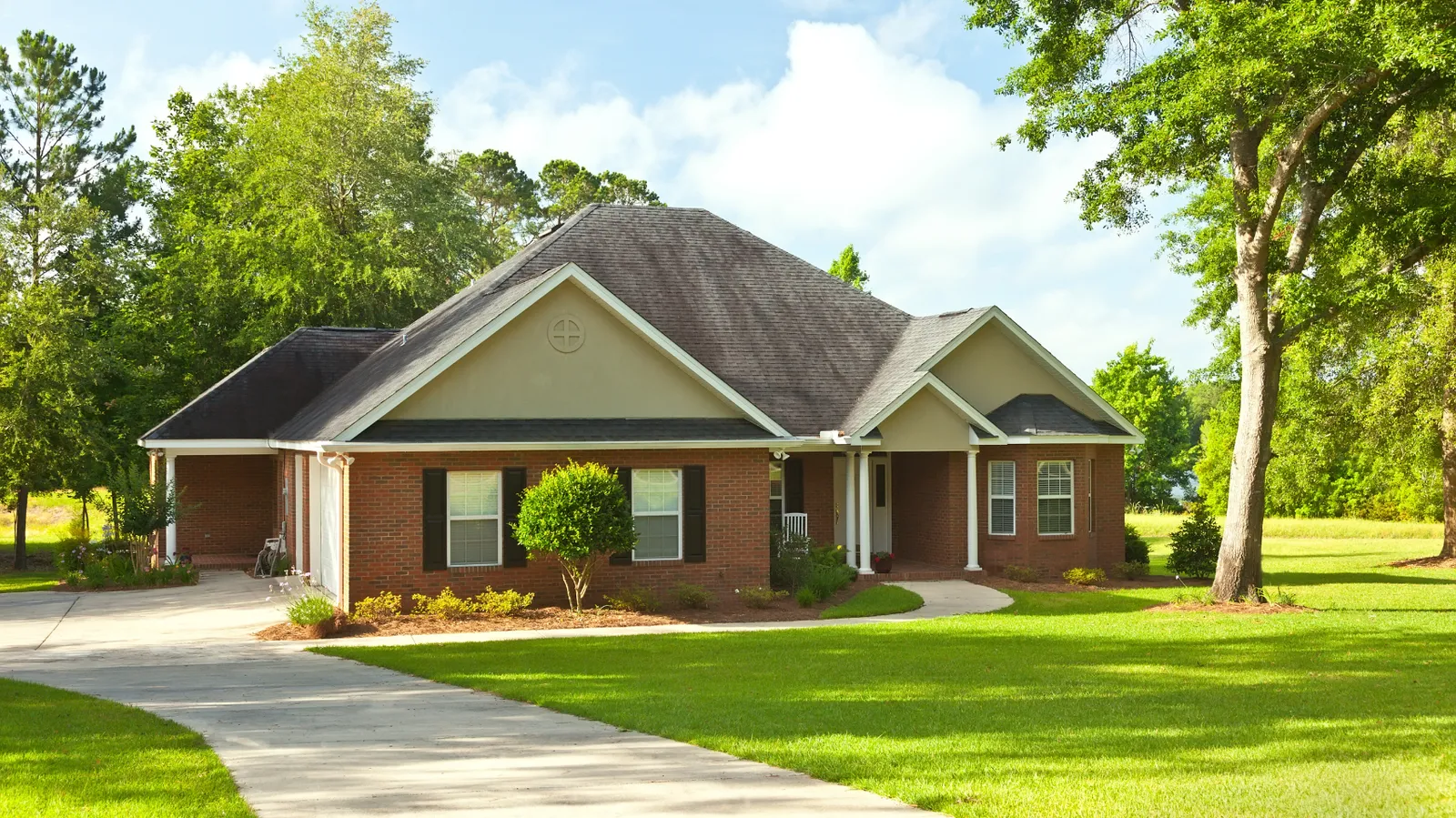
Commercial roofing in Downtown Muskogee, OK
Commercial roofing for downtown Muskogee, where most of what is up there's low slope and sealed instead of shingled.
Tell us about the building and our roofers get up on the roof to read it.
Downtown roofs are a different trade from the houses around them
A downtown address is a low-slope job: a roof that sheds water by fall and seal instead of by pitch, across the brick blocks around Main and Broadway. Our roofers work them.
So the failures sit somewhere else. Wind seldom peels a low slope roof the way it lifts shingles off a house; the damage starts where the membrane has to stop being flat, and it spreads underneath before anything reaches a ceiling. A tenant reporting a stain is usually reporting something that began months earlier and several feet away.
The county storm file backs up how ordinary that pressure is here. Reports logged at Muskogee and at the Muskogee Davis Regional Airport include one inch hail in April 2025 and a 64 mph gust in June 2024, an inch of hail with damaging wind in March 2024, and airport gusts between 60 and 75 mph through the following spring. None of that's dramatic weather. All of it works on a seam.
Downtown Muskogee / Pre-Statehood Commercial District roofing by the numbers
This is how the housing around this part of Muskogee reads, and it is the backdrop to any roof looked at in Downtown Muskogee / Pre-Statehood Commercial District.
Those figures describe the housing that grew up around downtown rather than the buildings on it, and that's the useful part: the decades that filled those streets are the same decades that put the current roofs over the storefronts. On a commercial roof the number that matters still comes off the roof itself.
Source: U.S. Census Bureau, American Community Survey. Figures are tract or city level, so nearby neighborhoods can share them.
What our roofers take on downtown
Flat and low slope work first, and the pitched roofs on the older mixed use buildings that still carry them. Tell us which one the building has and the rest follows.
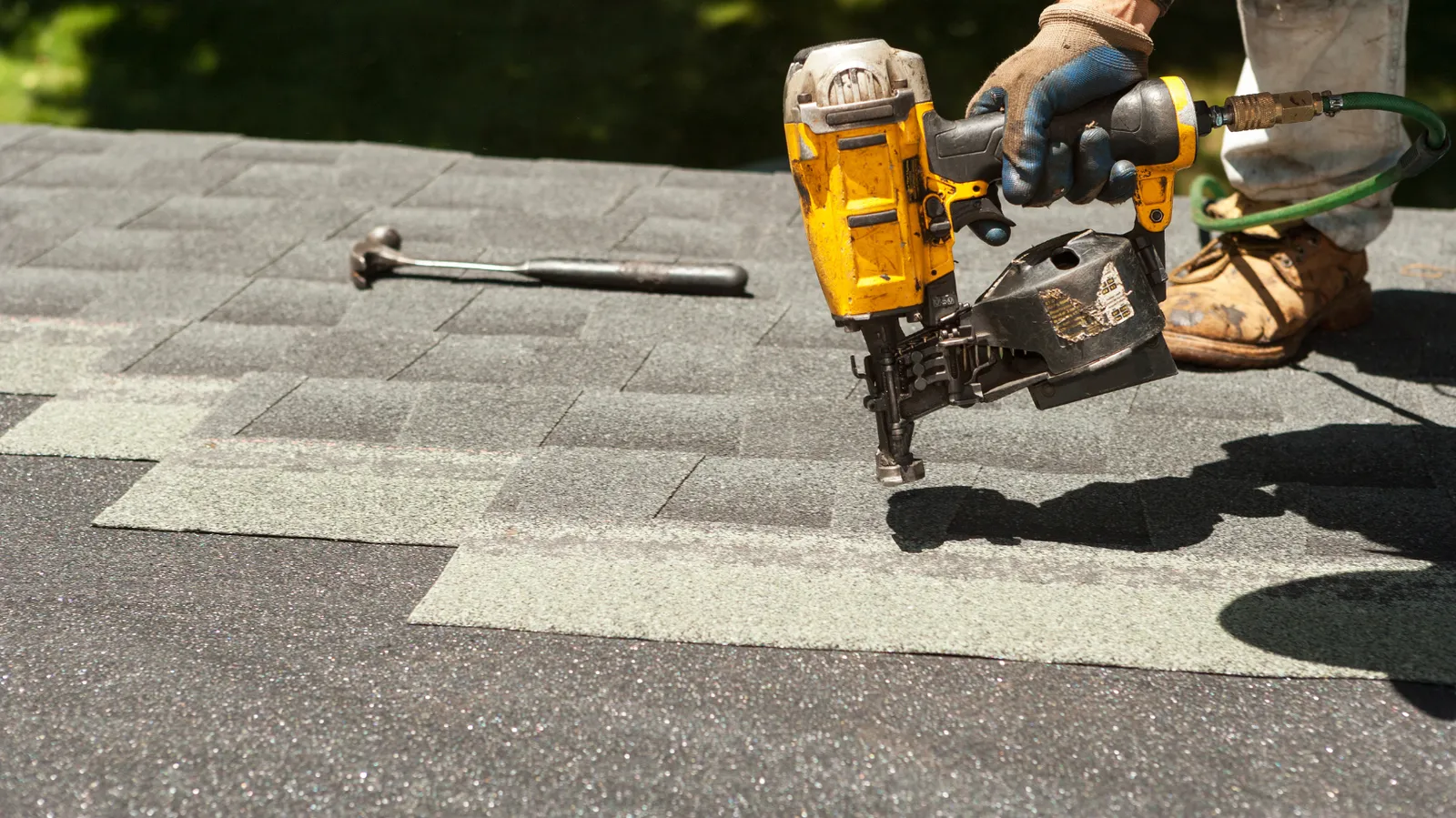
Roof Replacement
The whole covering off and rebuilt from the deck up, which on a roof that's been done before is where the unknowns are.
Learn more →
Roof Repair
One leak traced back to where the water really enters, which isn't where the stain on the ceiling puts it.
Learn more →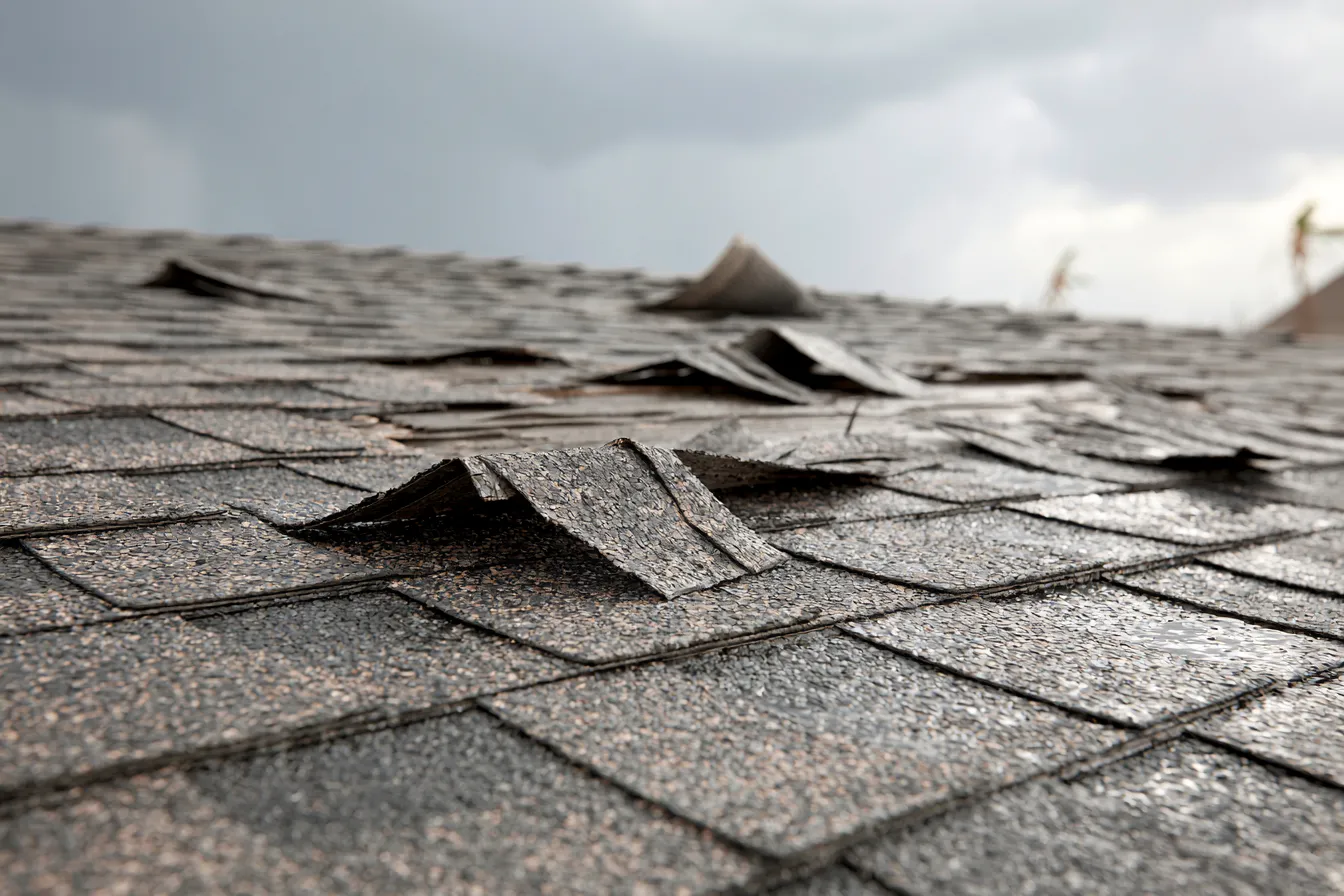
Storm and Hail Damage
Hail and wind marks photographed and called functional or cosmetic before anyone talks about a claim.
Learn more →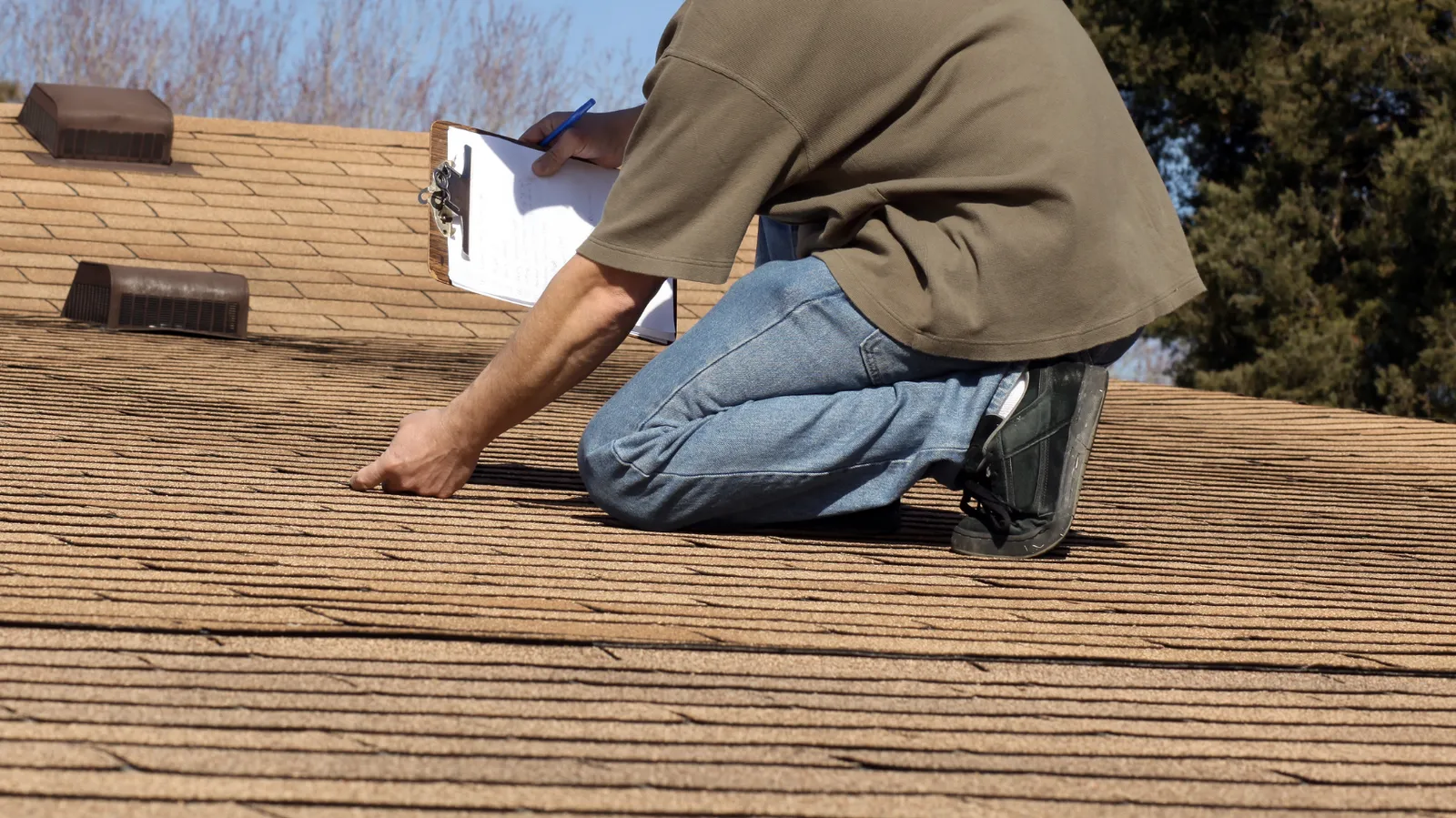
Roof Inspections
A walk of the slopes and a look from the attic, written down and dated so it's still worth something later.
Learn more →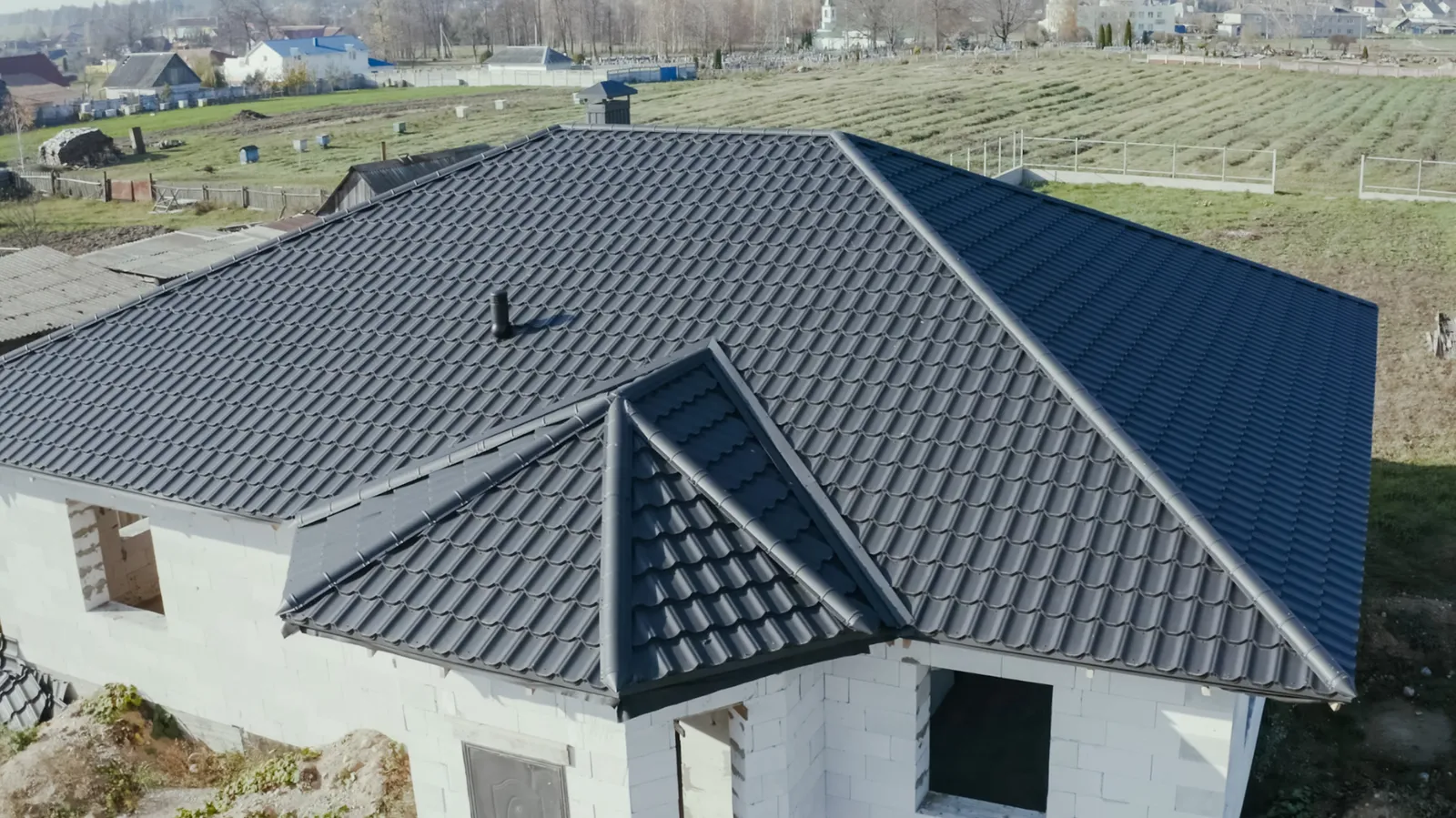
Metal Roofing
Standing seam with its fasteners hidden under the panel, priced against asphalt across the service life each one actually delivers.
Learn more →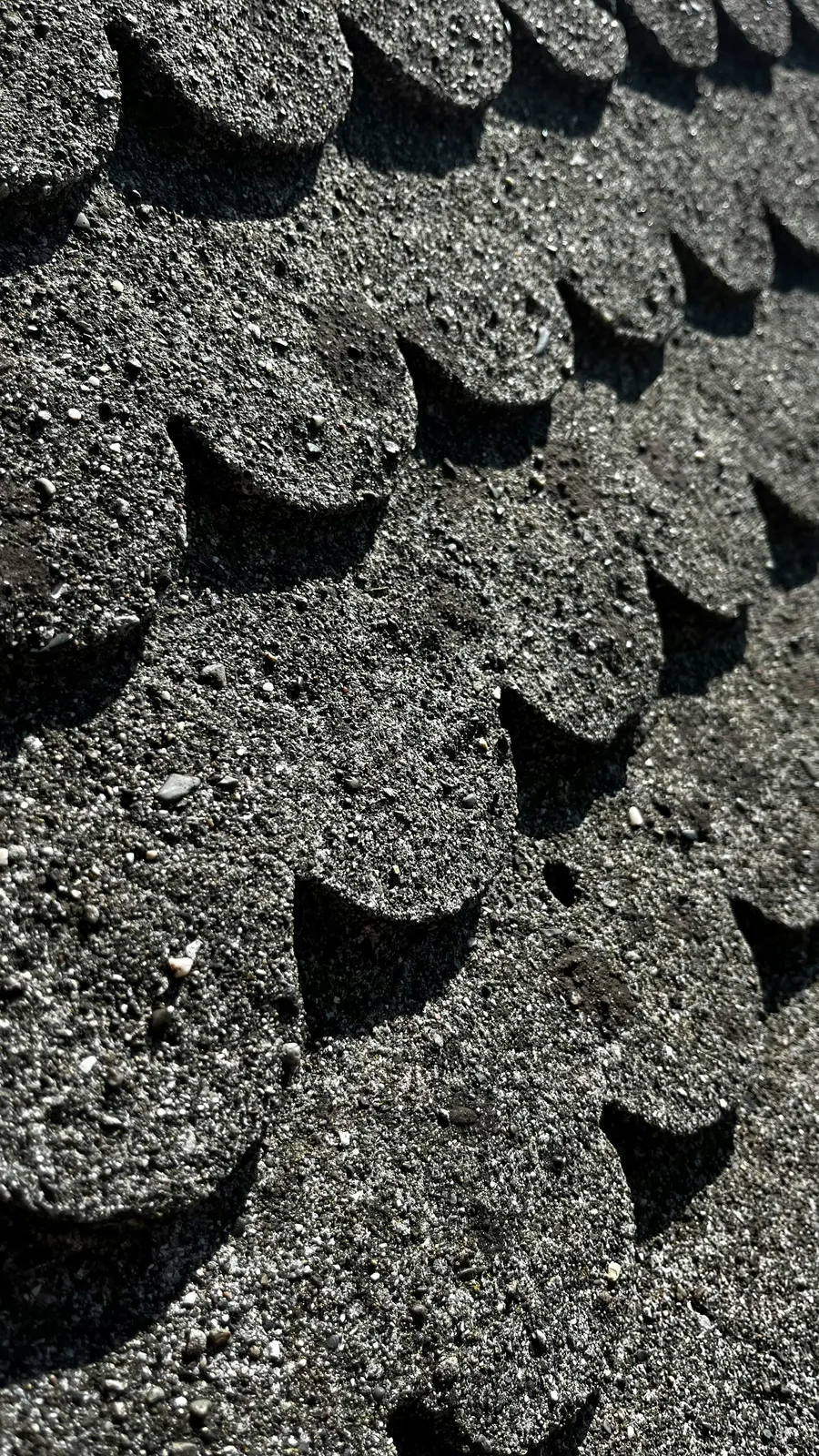
Asphalt Shingle Roofing
The covering most houses here already wear, in three tiers that aren't the same on wind rating or service life.
Learn more →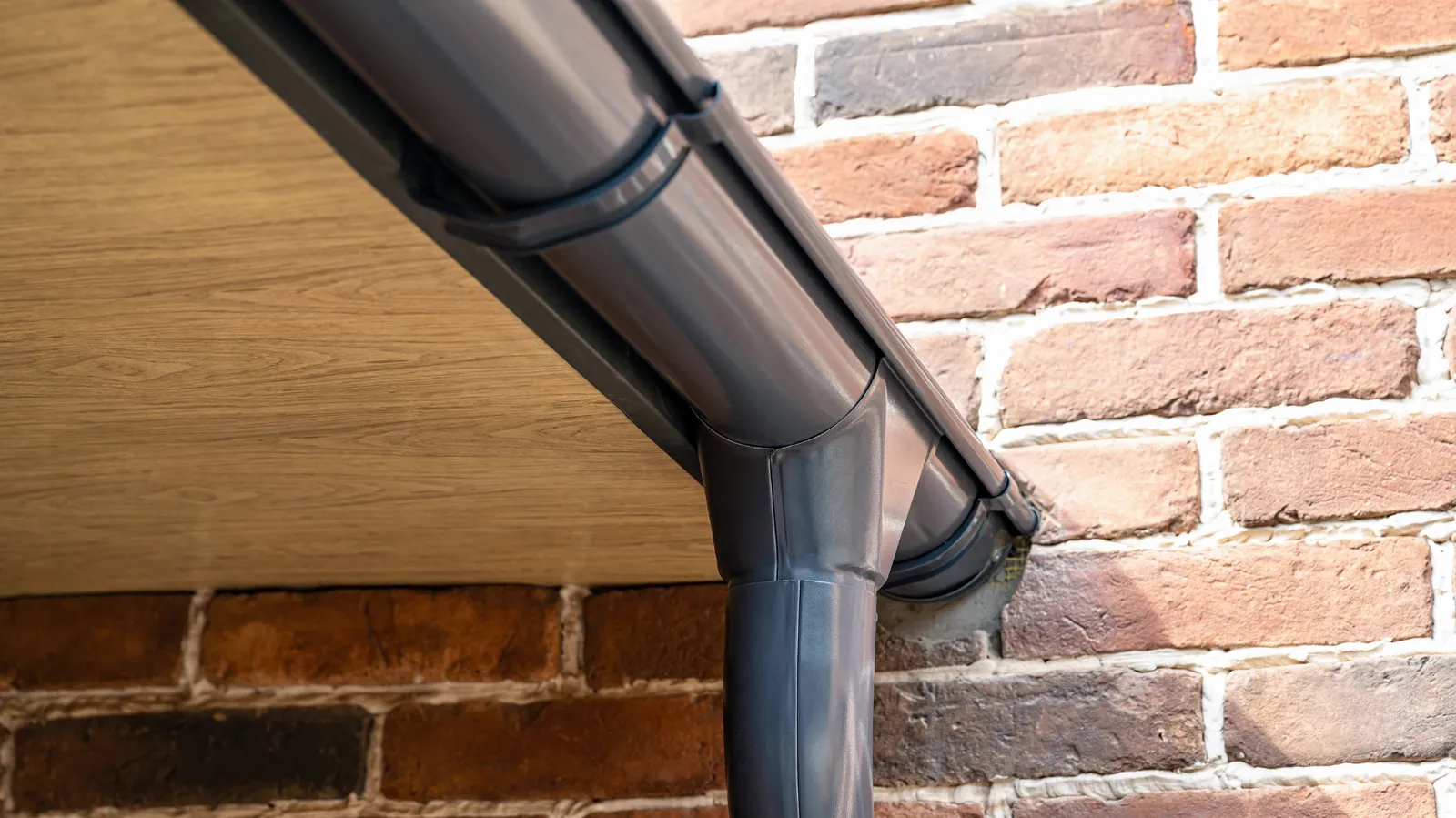
Gutters
Seamless aluminum sized to the roof above it, because water that leaves the shingles hasn't finished until it's clear of the walls.
Learn more →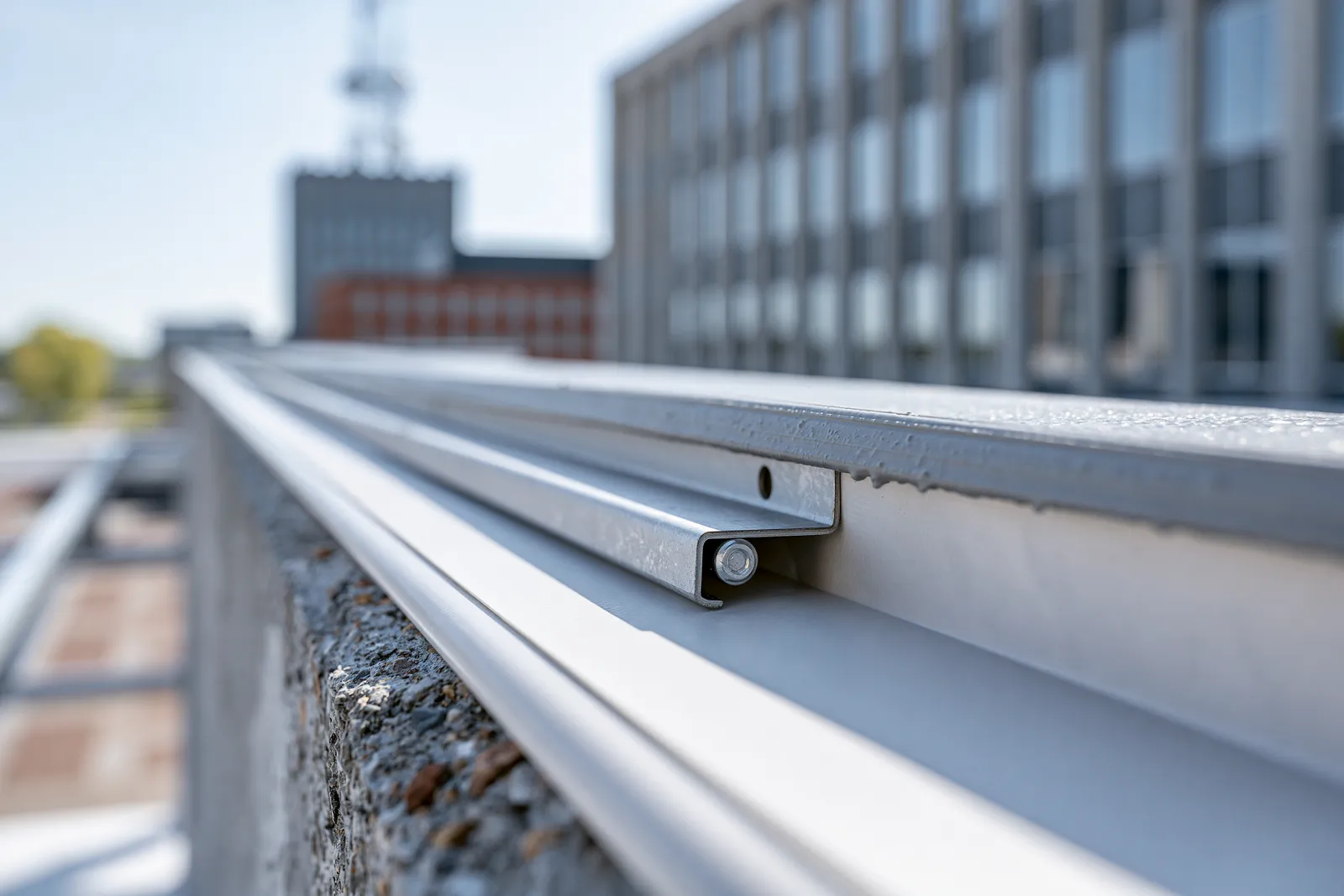
Flat Roof Repair
Low-slope work, where a leak usually traces back to a seam or a flashing detail.
Learn more →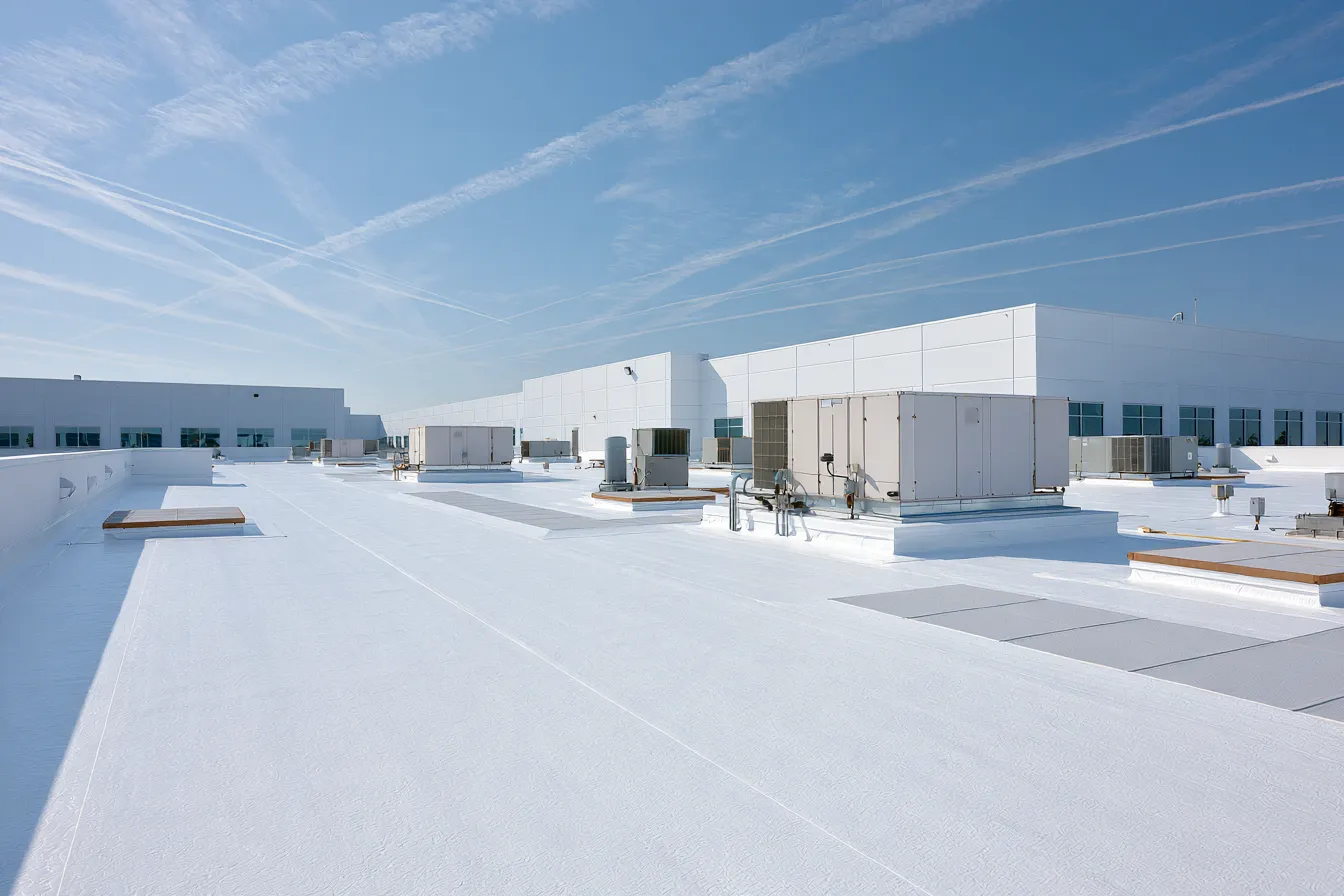
Commercial Roofing
Membrane roofs on buildings, priced by the area covered and by how many interruptions the surface carries.
Learn more →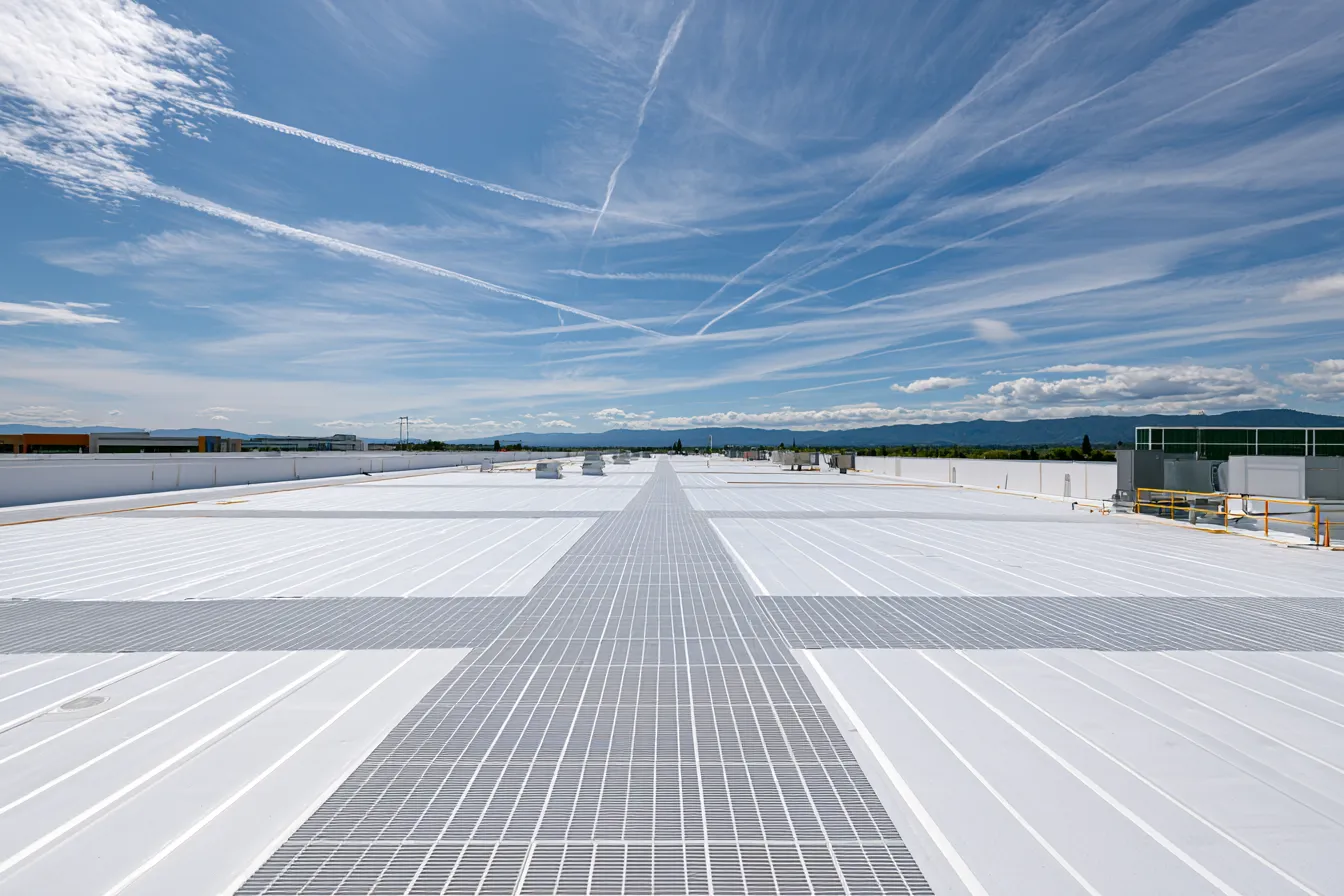
Where a low-slope roof lets go first
Almost none of it happens in the open field of the roof. It happens at the places where the membrane stops being a flat sheet and has to turn, terminate or drain, and they're the places worth paying a roofer to read closely.
Seams and laps
A seam is a joint doing the work of a solid sheet. It's the first thing checked and the first thing to open up.
Drains and scuppers
Water that can't leave sits and finds the weakest joint. A blocked drain turns a small fault into a wide one.
Terminations and curbs
Every rooftop unit and parapet is an edge the membrane has to close against. Those edges get counted and priced individually.
Questions from downtown building owners
What owners and managers ask before putting a roof on a schedule. Answers written for a building instead of a house.
Tell us about the building and someone will get on the roof
The building's ZIP and a short description of what's been showing up inside is enough. A local roofer walks the roof, photographs the seams and drains, and comes back with a scope written line by line.