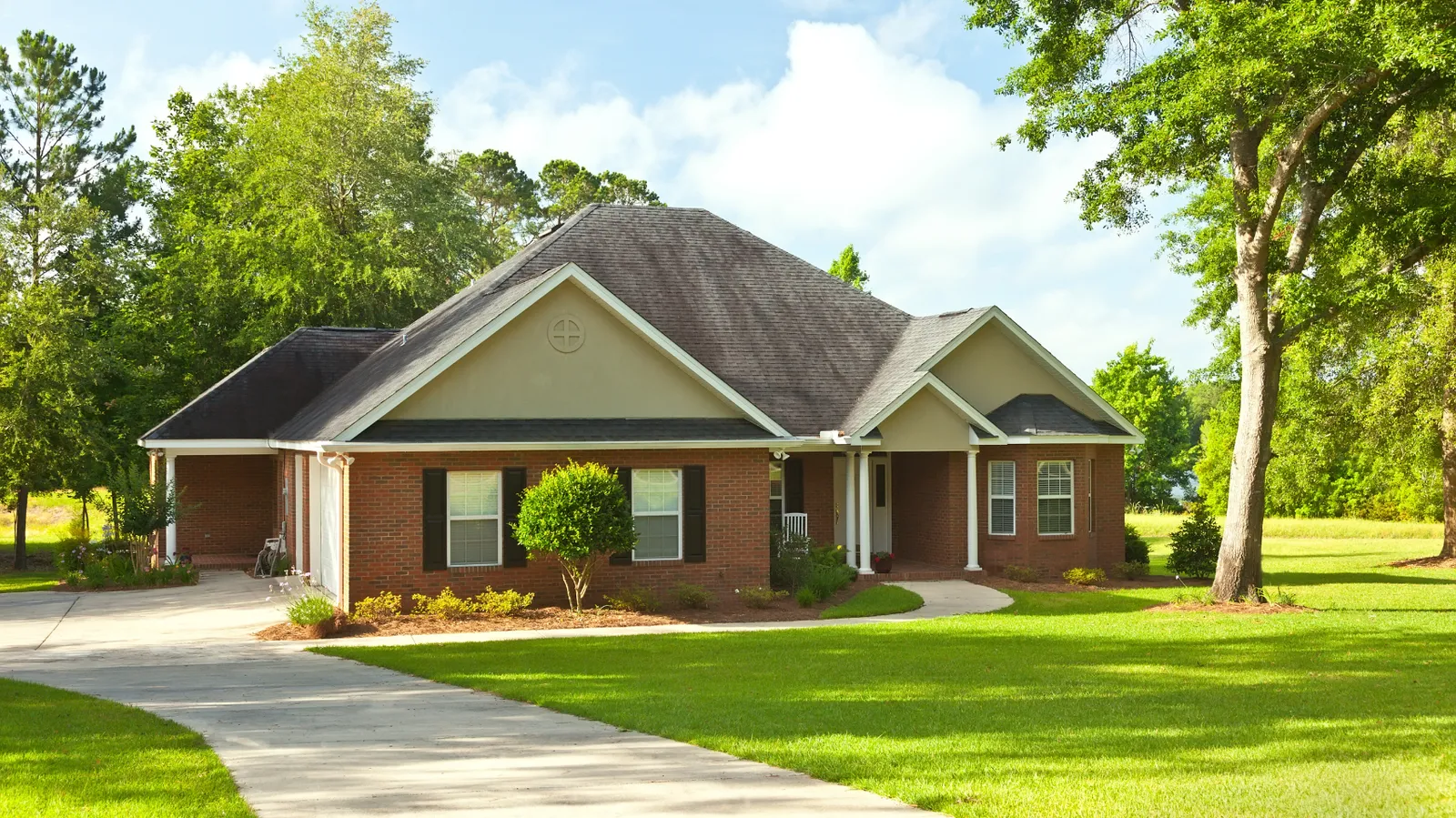
Roof Inspection in Muskogee, OK
A roof inspection in Muskogee, OK is a written account of the roof you have, whether or not anything is wrong with it.
Your roof hasn't leaked and nothing looks wrong, which is the easiest time to have our roofer look at it.
Roof inspection in Muskogee, OK
A roof that checks out clean gets the same written page as a roof that doesn't, which is the only way the clean result means anything.
The person who can act on what an inspection turns up is whoever owns the house. A tenant can report a stain; only the owner decides whether the covering above it gets replaced.
So the report is written for that decision rather than for a file. It names what was seen, where, and what it means for the years left on the roof, which is what makes it something you can hand to a second roofer without explaining anything.
The inspection and the written report cost nothing, and there's no priced tier sitting behind them. What costs money is the work, if you decide any is needed. Where the free look stops: it's a visual and attic inspection. A moisture survey or an engineer report is a different job.
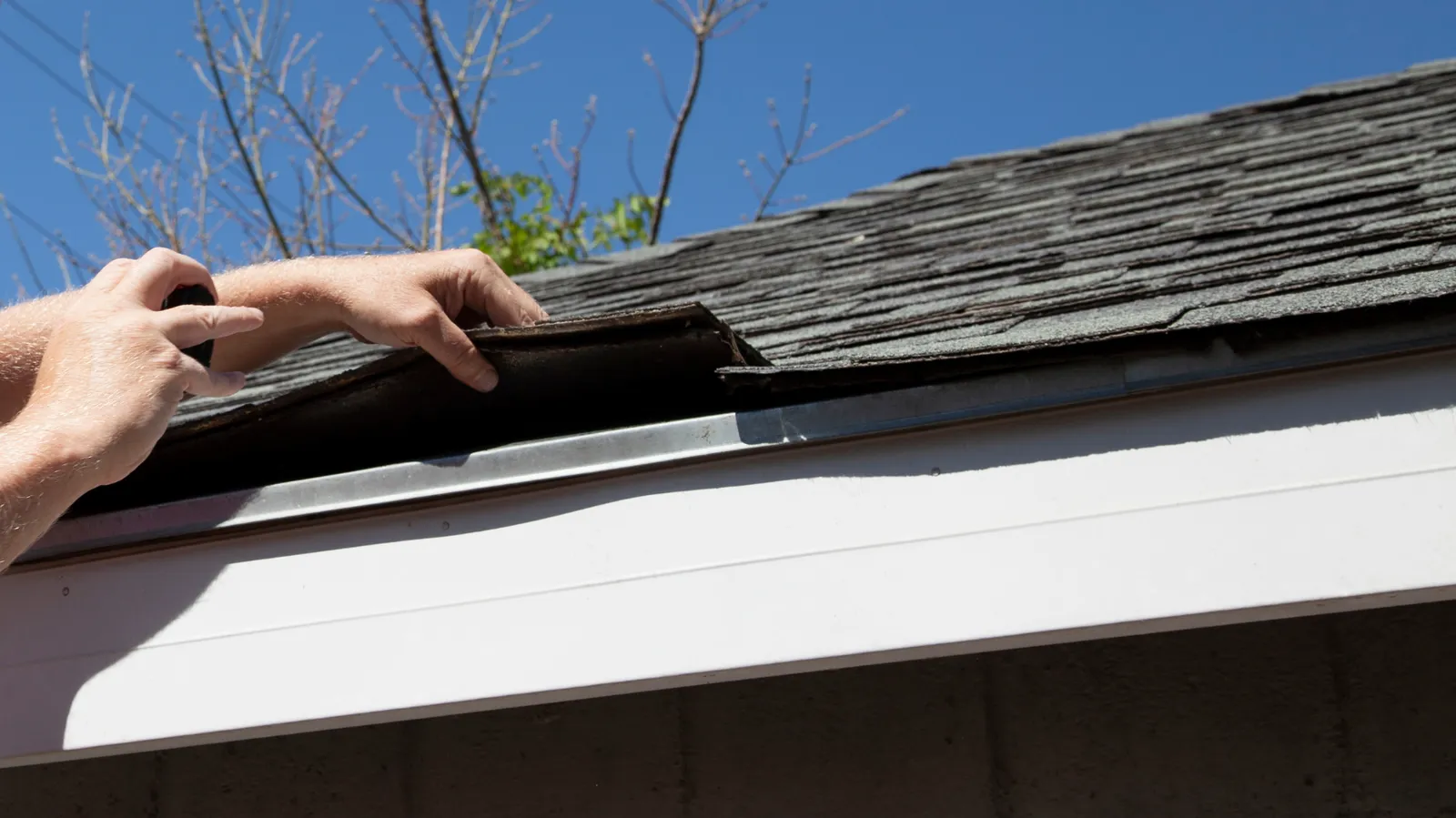
The deck, walked
A roofer walks the slopes and sounds the sheathing underfoot for soft spots. Soft decking is the finding that changes a repair conversation into a replacement conversation, so it comes first.
Flashing at every junction
The metal at walls, chimneys, dormers and valleys is examined joint by joint. This is where most roofs let water in, well before the shingle field gives up.
Penetrations, one by one
Pipe boots, vents, and anything else coming through the roof each get their own look. A hardened rubber boot is a common finding on any roof past its first decade.
Gutters and drainage
Where the water goes once it leaves the roof matters to the roof itself. Standing water at the eave and grit banked in the downspouts both say something about what's happening above.
Attic ventilation, from inside
A roofer looks at intake and exhaust and at whether the underside of the deck is dry. Poor ventilation cooks a covering from beneath and shortens it by years without ever showing on the surface.
The written report itself
Findings, photographs and a written answer on what needs doing and what doesn't. Nothing here carries a workmanship term; that belongs to whoever does the work, in their name.
What turns up on an older roof
Six common findings, none of them automatically urgent. An inspection reports the range, and most roofs come back with two or three of these.
Hardened pipe boots
Rubber collars that have dried and split around the pipe. Cheap to replace, and a direct path into the house if left.
Lifted or backed-out nails
Fasteners working their way up under the course above. Broken seals, and an opening for the next wind.
Granule loss at the eaves
Coating washed off the lower courses where the water runs hardest. Normal in small amounts, telling in large ones.
Flashing pulled at a wall
Metal that has separated from the siding it tucks behind. A slow leak that stains inside long before it drips.
A previous repair, unrecorded
Work somebody did without leaving paperwork. A known weak point with nobody standing behind it.
Blocked or absent attic intake
Soffit vents painted over, insulated across, or never installed. Heat with nowhere to go, and a covering aging from underneath.
Outside first, then underneath
Every stage is written down, photographed and reported whether or not it changes anything. The walk itself is unhurried, because the findings are the product.
The ground walk
A roofer circles the house first, reading the gutters, the soft metal and the roofline from below. Half of what an inspection finds is visible before anybody climbs anything.
The slopes themselves
Every face is walked where it's safe to do so, with the deck sounded and the details examined joint by joint. Photographs are taken as it goes.
The attic side
A roofer looks at the underside of the deck, the ventilation and any staining on the rafters. The inside tells you how long a problem has been running.
The report
Findings, photographs and an account of what needs doing and when. It arrives whether the roof was clean or not, and it's the same document either way.
What a free look actually includes
There is no priced tier behind the inspection or the report. If work turns up, the cost page carries the regional planning ranges that set the scale, and the estimate for your own roof comes off the measurement.
Replacement work, if you decide on any, prices off regional planning ranges and a measurement of your own roof; the cost page sets those out. Where the free look stops: it's a visual and attic inspection. A moisture survey or an engineer report is a different job and gets said so out loud.

Inspection questions on older Muskogee homes
The ones people ask before agreeing to have anybody on the roof. Answered straight.
Book the free Muskogee look
Get in touch and a local roofer walks the roof, then the attic where the hatch allows, and writes up what's there. You keep the report, and nothing about the visit commits you to anything.