Serving Muskogee and the county around it (918) 351-2779
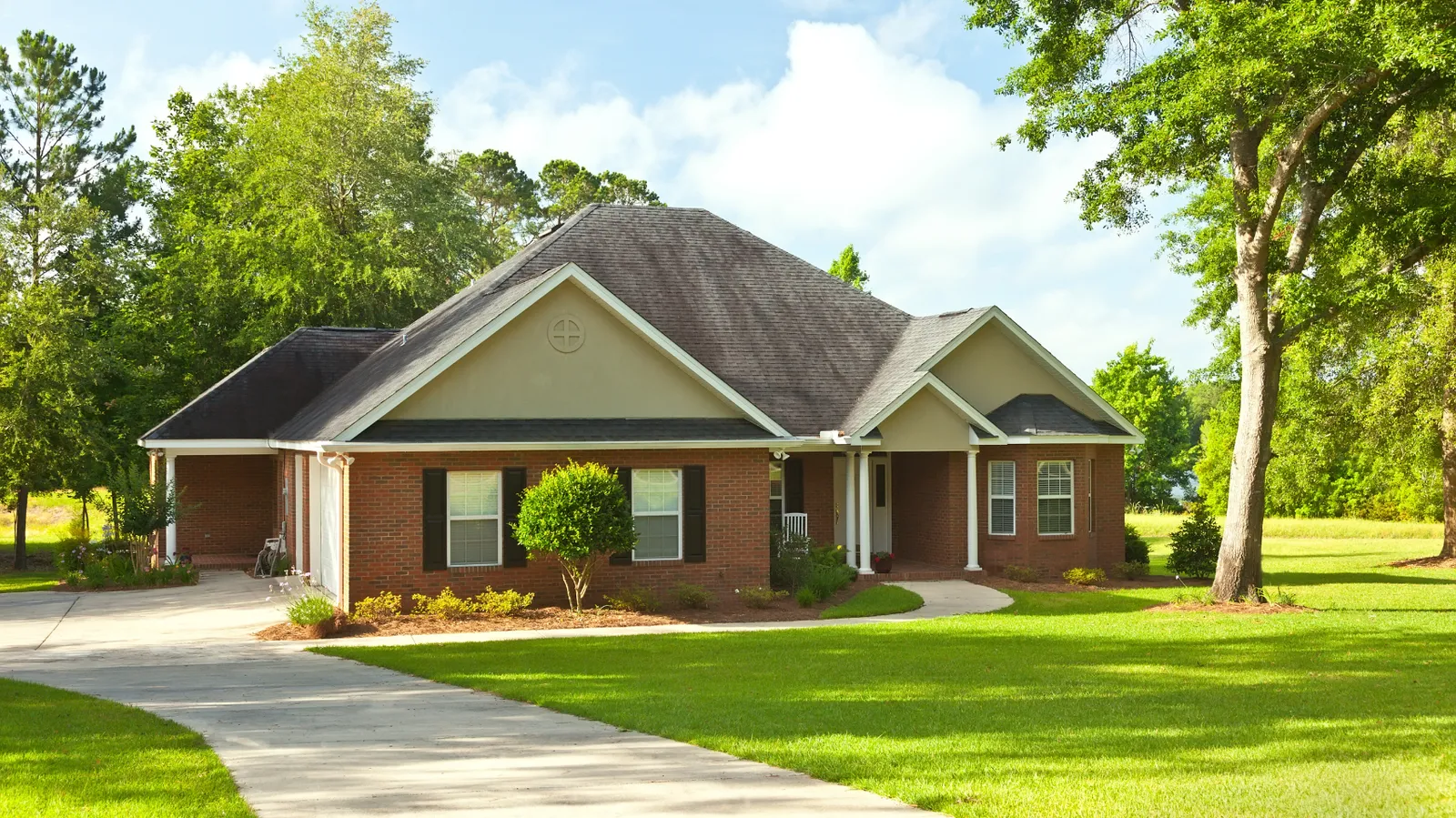
Gray shingle roof on a brick ranch home shaded by mature trees

New Roof Cost in Muskogee, OK

New roof cost in Muskogee, OK starts as a band and only becomes a number once somebody's measured the roof.

Two quotes on one house can sit thousands apart.

Muskogee Roofing Co, for a figure on your own roof
Same business day response. Nothing to sign until you are ready.
What it costs

New roof cost in Muskogee, OK

Totals below assume a 24 square roof, the planning size the regional table carries for a 2,000 to 2,500 square foot house. Where your own figure lands depends on the roof itself.

TierTypical installed totalWhat you are buying
Architectural asphalt$8,880 to $14,880The two layer laminate on most roofs around town, and what you'll get on a like for like swap
Class 4 impact-rated asphalt$11,040 to $17,040Same profile, tested to the top UL 2218 impact class, which is why it's the one that comes up after a hail spring
Designer asphalt$12,000 to $20,880Thicker mat cut to imitate slate or shake, and the asphalt tier that lasts longest
Standing-seam metal$18,000 to $31,920Panels held by hidden clips rather than exposed screws, on a service life measured in decades

These are regional planning bands for northeastern Oklahoma, not a Muskogee quote and not a local price survey. By the square, architectural asphalt runs $370 to $620 and standing seam $750 to $1,330. A figure for your address comes off a measurement.

Estimate it yourself

Rough out a figure

Put in what you know and the calculator does the math. It's a starting point for a conversation and no more than that.

Typical price range
$9,000 to $14,500

A ballpark from the regional planning ranges, not a Muskogee quote. Your real figure depends on the roof you have.

Get My Free Estimate →

Estimates use the regional planning bands for northeastern Oklahoma and update as you change the options. A figure for your address comes off a measurement.

What the money is really buying

The questions that come up once you start pricing. If an answer needs more room, there's a page that carries it.

Scope, almost always, and it's hiding in what each sheet leaves unwritten. One quote may include tearing the old covering off, replacing rotten decking, new flashing and disposal, while the other assumes a layover and prices the sheathing as an extra later. Ask both to itemize and the gap usually explains itself in a line or two.
Roof size does, before anything else, because everything is priced off the area. After that it's pitch, how cut up the roof is with valleys and dormers, how many layers have to come off, and whatever the decking looks like once it is open. The material tier matters, but it moves the number less than people expect.
A second layer saves money up front and takes it back later. The saving lands on the day of the work; the cost comes out of the years afterward, because added weight and a deck nobody's inspected both shorten what sits above. When to schedule the work is covered in the cheapest time of year post.
Two estimates can differ by thousands on the deck alone, so look for a per-sheet rate and a stated allowance on both, the same discipline the claims page describes for an adjuster scope. Priced that way, wet or soft sheathing changes a figure you'd already agreed to, and not one handed to you afterward. Anything vaguer leaves the number open until the tear-off decides it.
Impact-rated shingle pays for itself depending on how long the roof has to last you and on what your policy says. Class 4 runs about $460 to $710 per square against $370 to $620 for architectural asphalt, and some carriers discount premiums for one, though the amount is the carrier's to state rather than a roofer's to promise. On a house you intend to keep, that gap spreads across years; on one you plan to sell in three, the sums look very different. The shingle options page sets out what each grade is. Ways of paying for it are set out on the financing page.
Talk it through
(918) 351-2779

Trade the band for a measured price

Your ZIP and a line about the roof are enough to start. A local roofer counts the squares on your own house, looks at what's under the covering, and puts the figure on an itemized sheet you keep.

Call Get a Free Estimate