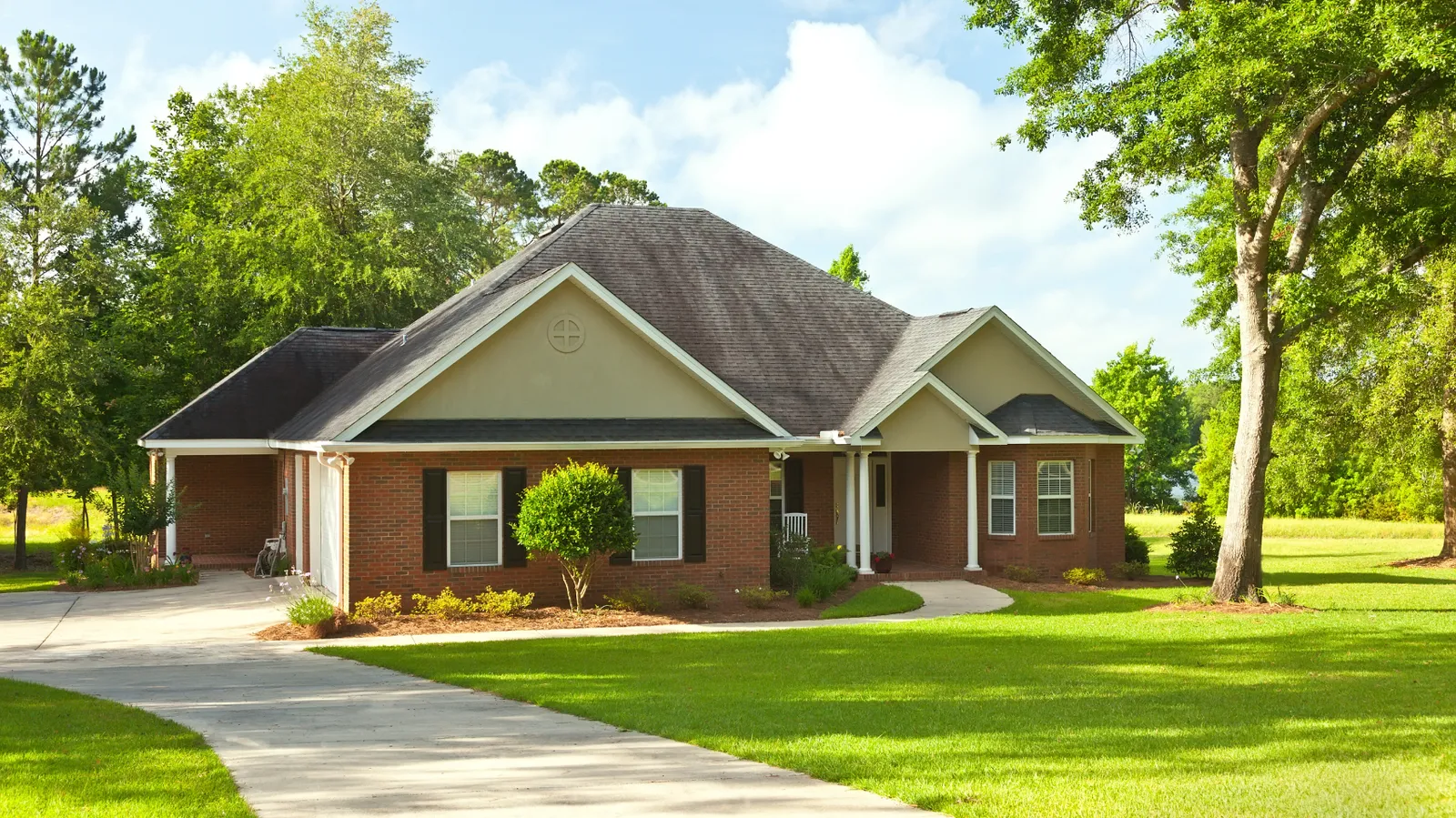
Gutter Installation in Muskogee, OK
Gutter installation in Muskogee, OK is sizing work before it's hanging work, and the sizing is what most runs get wrong.
A tired gutter run gets re-hung or replaced, and the fascia behind it decides which.
Gutter installation in Muskogee, OK
A gutter is a sizing problem first: too small a run overflows in the rain that matters, and no amount of good hanging fixes that.
Rain here arrives in volume, and a run sized for a gentler climate spills over its front edge exactly when it's needed. Muskogee sits on flat ground where three rivers meet, so water leaves slowly once it's down, and the run above your windows decides whether any gets away from the wall.
Three things decide whether a gutter copes: the size of the trough, the number of downspouts feeding off it, and whether the fall along the run is enough to move water to them. Get those right and cheap gutters work; get them wrong and expensive ones don't.
No per-foot figure appears on this page because there isn't one we could stand behind. Gutters price by the foot of run, and length, downspout count, guard type and fascia condition all move the number.
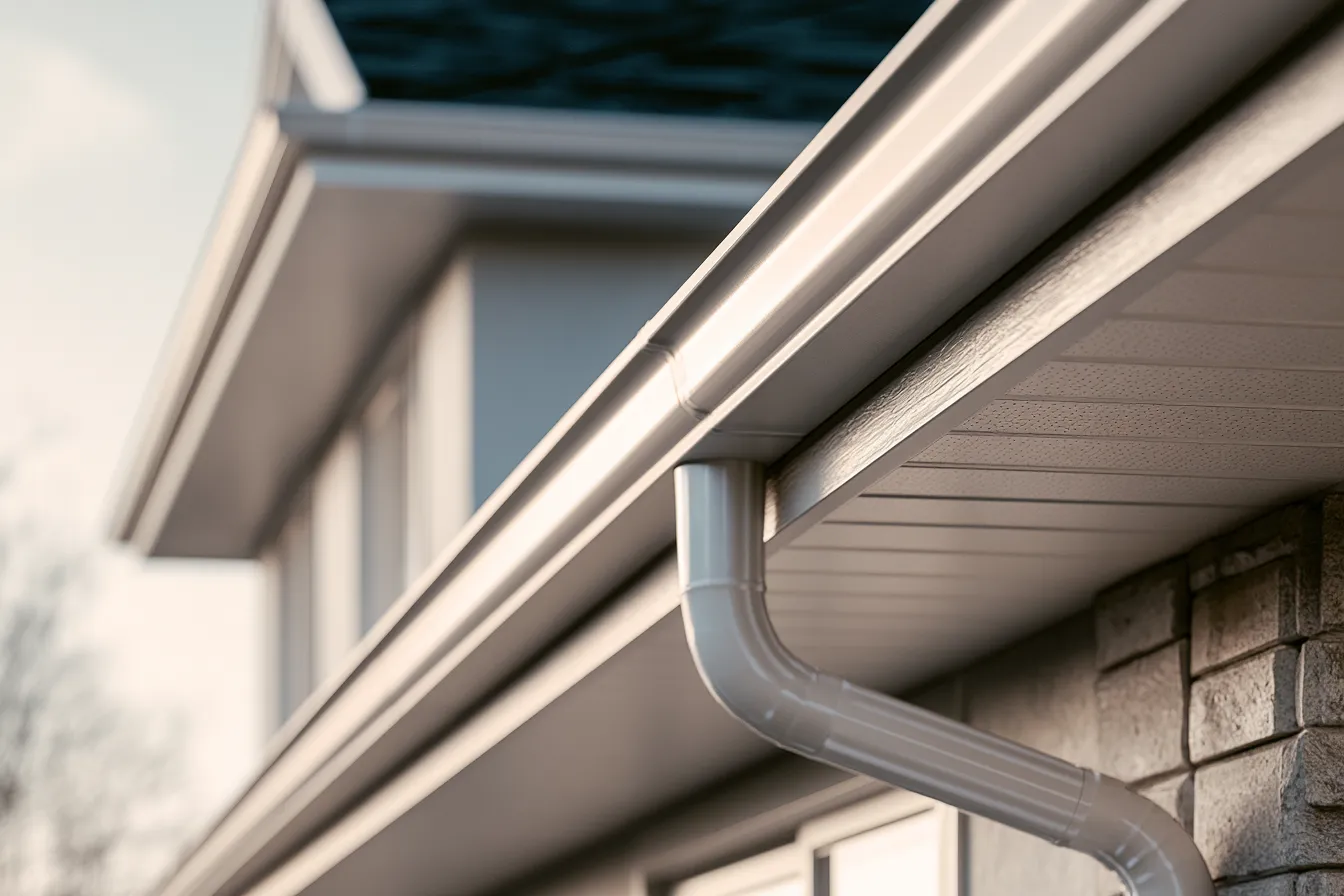
Sizing for the roof above
The trough is sized against the roof area draining into it, not against what was there before. A five-inch run under a large steep slope is the commonest inherited mistake on these houses.
Downspout count and placement
Drops are placed so no single length of gutter carries more than it can move. Adding one downspout often fixes an overflow that a whole new run wouldn't.
Hanger spacing
Hidden hangers go in at a spacing that holds the run level under the weight of full water and ice. Sagging between hangers is what turns a working gutter into a standing pond.
Fall along the run
A run is hung with a deliberate slight fall toward each drop. Too little and water sits; too much and the trough looks crooked from the street, so it's set by eye and by level together.
Fascia and board condition
The board behind the gutter is checked before anything is hung on it. Hanging new aluminum on soft fascia puts a new run on a failing fixing, and that's a call made before the work starts.
Where the water is put
Downspouts are routed to discharge clear of the foundation instead of beside it. The whole point of the system is what happens after the water leaves the roof.
What tired Muskogee gutters look like
Six things visible from the ground on a run that has stopped working. All six are worth a look after heavy rain.
Fascia staining
Dark streaks run down the board behind the gutter. Water has been going over the back edge instead of through the trough.
Granules settle in the trough
Grit builds up along the bottom of the run. The roof above is shedding its coating, and the gutter is where the evidence collects.
The run sags between hangers
A visible dip holds water long after the rain stops. Standing water adds weight, and the weight widens the dip.
Water overshoots at the valley
A curtain of water leaps the gutter where two slopes meet. The trough beneath a valley takes concentrated volume and often needs a diverter or a bigger drop.
Soil erodes at the downspout
A trench forms where the water lands. The discharge is too close to the house and is undermining the ground beside the foundation.
Spikes back out of the fascia
Old spike-and-ferrule fixings work loose over years of expansion. Each one that backs out drops that section of the run a little further.
Sizing, hanging and where water goes
Most houses are a single unhurried visit once the material is on site, and the measuring is what decides everything after it. It's four stages, in this order.
The roof, then the run
A roofer measures the area draining into each length before sizing anything. The gutter's specified from the roof above it, never from the run being replaced.
Drops and discharge
Downspout positions are set so no section carries more than it can move, and the discharge points are chosen away from the foundation. That's where an overflow problem usually gets solved.
Hangers, fall and seams
Seamless trough is formed on site and hung with hidden hangers to a set fall. Fewer joints means fewer places to leak later.
Water down the run
The finished system is run with water to confirm it moves and discharges where intended. Anything that ponds is adjusted before the crew leaves.
What shifts a Muskogee gutter price
Gutters are priced by the foot of run, the number of drops and whether guards or fascia work are involved, so there's no honest figure before somebody measures. For scale, the roof above has its own published range.
What moves a gutter quote: total length, how many downspouts, guard type if any, the height of the run, and whether the fascia has to be repaired first. All of it priced, at no charge.
Gutter questions on older homes
The ones that come up when a run has been up as long as the house. Answered briefly, with the roof pages covering what sits above.
Have the Muskogee runs looked at
Say which side is overflowing and a local roofer measures the roof area, counts the drops and puts the whole system on an itemized sheet you keep. There's no deadline on deciding what to do about it.